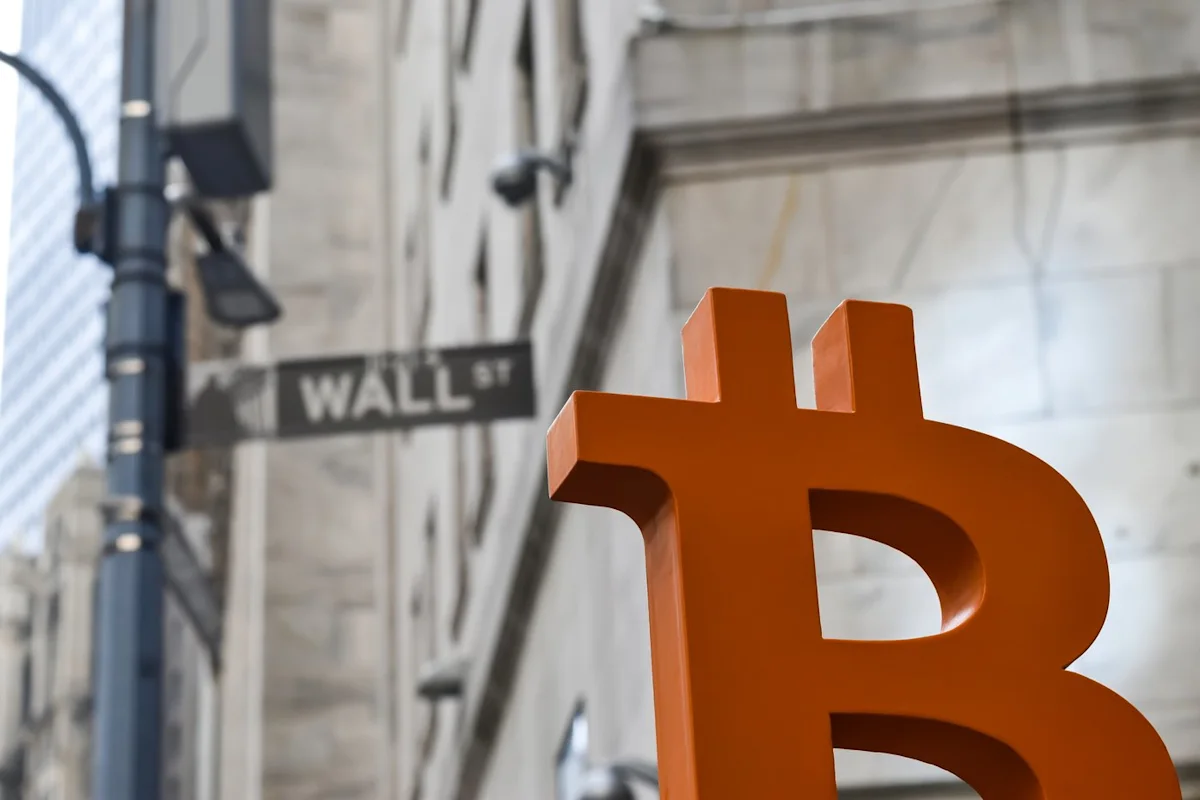
Bitcoin (CRYPTO: BTC), the world’s most valuable cryptocurrency, reached its record high of more than $126,000 last October. Today, it trades at about $64,000. That was a painful pullback, but it’s still up more than 120% over the past three years.
So will Bitcoin generate similar gains over the next three years? Let’s review its upcoming catalysts and challenges to see where it might be headed.
Missed Nvidia in 2009? This Rare Signal Is Flashing Again. In 2009, a “Double Down” signal flashed for a little-known chipmaker called Nvidia. For the first time in years, that same “Total Conviction” signal is flashing for a company 1/100th the size of Nvidia. Continue »
What happened to Bitcoin over the past three years?
Three years ago, Bitcoin was only trading at about $29,000. But in January 2024, the Securities and Exchange Commission (SEC) approved its first spot price exchange-traded funds (ETFs), enabling retail and institutional investors to invest in Bitcoin without using crypto wallets.
In April 2024, Bitcoin’s mining rewards were cut in half in its latest four-year halving. That reduction made Bitcoin even harder to mine profitably. More than 20 million of Bitcoin’s maximum supply of 21 million tokens have already been mined. That increased mining difficulty and scarcity made Bitcoin more comparable to gold than other smaller cryptocurrencies.
At the same time, the Federal Reserve — which had raised its benchmark rates 11 consecutive times in 2022 and 2023 — finally cut its rates three times in 2024. That monetary easing, which supports the notion that Bitcoin will rise as fiat currencies become less valuable, also drove more investors to buy more cryptocurrencies and other higher-growth investments.
In 2025, three more rate cuts, expectations for additional rate cuts in 2026, and the Trump Administration’s crypto-friendly policies all drove Bitcoin to its record high. But this year, all of those tailwinds dissipated. The Fed kept its rates unchanged as inflation heated up again, macro headwinds drove investors back toward more conservative investments, and the closely watched CLARITY Act to regulate cryptocurrencies remains stalled in the Senate.
What will happen to Bitcoin over the next three years?
Those headwinds chilled the crypto market and sent Bitcoin lower, but three catalysts could easily drive it higher over the next three years. First, Bitcoin’s price will likely rise again ahead of its next halving in 2028. Second, the passage of the CLARITY Act and other crypto-friendly legislation should draw more institutional investors back to Bitcoin. Lastly, the broader crypto market should heat up once inflation cools and the Fed starts cutting rates again.