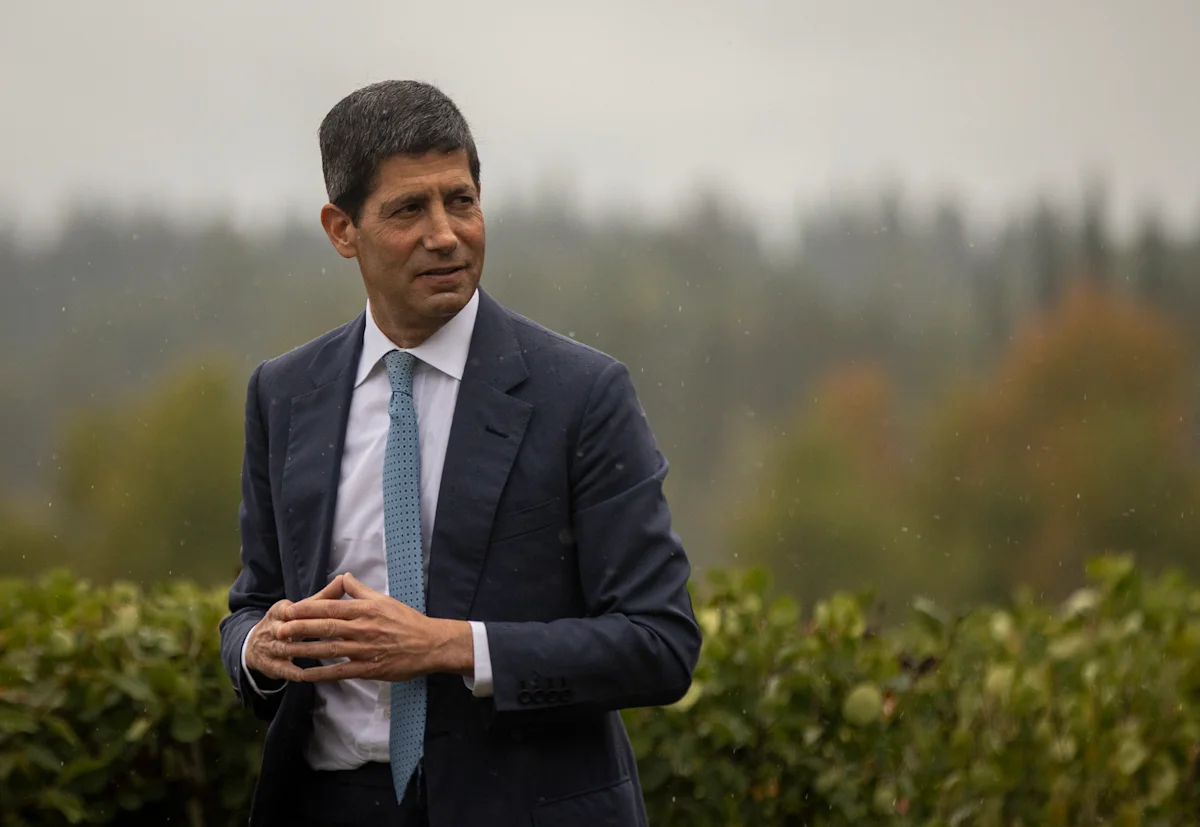
For stocks to stay hot, they will now have to overcome a perception problem after Fed Chairman Kevin Warsh came across as surprisingly more hawkish than many investors thought when he got the gig.
“While we expect underlying fundamentals here to remain solid, the presumption of higher rates does present a sentiment headwind,” Citigroup US equity strategist Scott Chronert wrote in a new note.
Delivering his debut keynote address as Fed chair at the Jackson Hole Economic Policy Symposium on Friday, Warsh adopted a hawkish stance on interest rate policy, warning that the central bank’s fight against inflation is far from over.
With inflation “running above our 2% target … the Fed’s predominant focus right now should be on prices,” Warsh said.
Warsh characterized recent inflation numbers as “concerning” and added that “we must be confident that underlying inflation is moving to our objective, clearly and at sufficient speed … otherwise, we have work to do.”
All three major US stock indexes closed modestly lower following Warsh’s comments.
Investors were hoping Warsh might hint at an upcoming interest rate cut or a softer stance on inflation. No luck.
Read more: How the Fed rate decision affects your bank accounts, loans, credit cards, and investments
Instead, his adamant focus on maintaining the 2% inflation target — paired with remarks implying financial conditions may not yet be restrictive enough — pushed Treasury yields higher.
Traders moved to price in a nearly 61% probability of an interest rate hike at the upcoming September FOMC meeting.
“All in all, the balance which Mr. Warsh seems to be bringing to the Fed process appears reasonable, and we look forward to more from the Fed’s task forces,” Chronert noted. “However, we have to acknowledge that our ongoing ‘broadening’ call is reliant on some combination of lower oil prices, resultant lesser inflation pressure, and, ultimately, room for the Fed to react more dovishly to mixed labor trends.”
Overcoming the sentiment headwind will be key for stocks to grind higher, even with the outlook for corporate earnings staying strong. Said headwind could weigh on the valuation multiples afforded to companies as investors fret about lower future returns due to higher interest rates.
“What has transpired over the past couple of weeks involving the Federal Reserve, the Treasury Department, and the financial markets has been extremely important …and, in many ways … has reinforced concerns that we have had for some time,” Miller Tabak chief strategist Matt Maley wrote in a note.