Bulgaria is in the news today after adopting a crypto tax reporting law. In doing so, it has effectively aligned with the European Union’s (EU) rules despite falling behind schedule.
Last week, on 9th September, the National Assembly of Bulgaria unanimously voted for the EU DAC8 directive, which expands automatic cross-border tax reporting to crypto assets.
The directive was first floated in late 2025, and EU member countries were expected to implement it by January 2026. It is aimed at solving tax evasion and fraud across the region, given the complex and ever-evolving nature of the DeFi and crypto sector.
However, Bulgaria only made amendments to accommodate the directive in May. Last week’s overwhelming support for the amendment of the country’s Tax and Social Security Procedure Code finalized the legislative process.
Impact of Bulgaria’s crypto tax rules
Bulgaria’s move is late by over eight months. However, the new rule mandates crypto platforms to collect required information from January 2026. But first, the exchanges and platforms must register with the taxman, the National Revenue Authority (NRA).
Part of the targeted data includes user identities and traded or transferred volume, either in crypto or fiat.
Providers must report all types of transactions, ensuring both crypto-to-fiat and crypto-to-crypto trades are covered under the new regime.
Additionally, any external withdrawals, including to self-custody wallets, must be captured. Here, it’s worth noting that the provision only mandates withdrawals from regulated platforms, meaning internal transfers between self-custody wallets don’t fall within this rule.
Interestingly, the tracking of external withdrawals to self-custody wallets mirrors the FATF’s anti-money laundering (AML) push to get more transparency into DeFi transfers.
The first cross-border sharing of crypto tax reports is expected to begin in January 2027. Failure to comply with the tax reporting rules may lead to account restrictions.
Separately, the EU’s AML package targeting crypto is also scheduled to go live in mid-2027. In other words, the EU wants to have full traceability of crypto transactions across the region by next year.
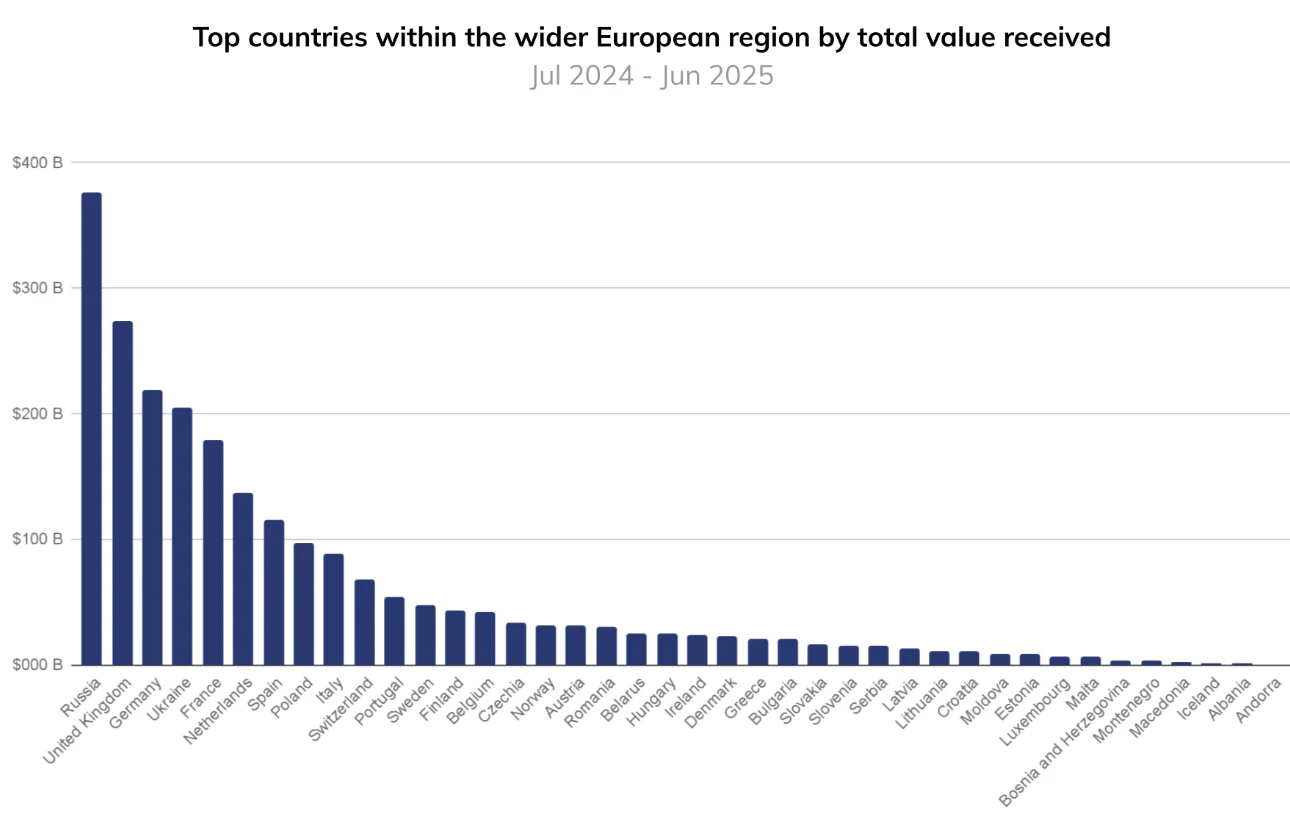
Bulgaria is ranked 19th across the EU for crypto adoption. It remains unclear whether the new rules will foster growth or stifle it.
Perhaps one of the notable risks of cross-border crypto tax reporting is data breaches and the likelihood of wrench attacks against victims. France is currently battling physical attacks and crypto kidnappings linked to a tax authority hack.
It will be interesting to see how the authorities balance compliance and users’ safety in 2027.
Final Summary
- Bulgaria has voted to activate EU cross-border crypto tax reporting from 2027.
- The rule mandates regulated platforms to report even external withdrawals to self-custody wallets