
The first sign that Telegram games were no longer a passing crypto fad came somewhere between office lunch breaks and late-night doomscrolling. What began as people absentmindedly tapping at pixelated coins to farm future airdrops slowly turned into something else entirely. Group chats became competitive arenas. Friends started sending referral links with the intensity of multi-level marketers. Entire communities formed around virtual carrots, mining hamsters, and increasingly absurd internet mascots. And somehow, against all odds, millions kept coming back.
Part of what made the format explode was how little it demanded from people. There were no expensive gaming rigs involved, no lengthy downloads, and, for the most part, none of the intimidating wallet gymnastics that had long kept casual users away from blockchain gaming. Telegram folded crypto games into a space people were already inhabiting for hours every day. A user could reply to work messages, argue in a meme coin group chat, and collect in-game rewards within the same five-minute window. Over time, the games themselves also grew more ambitious. The games began to include NFT economies, staking mechanics, PvP battles, and communities large enough to rival those of some standalone online games. With that said, here are the top 13 Telegram play-to-earn games in June 2026.
Table of Contents
1. Egg Drop
Egg Drop takes a fairly minimal approach to the play-to-earn format. Developed by Gomble Games and released on BNB Chain just under two years ago in July 2024, the game is designed to work entirely within Telegram, letting users start playing almost immediately through the bot itself. The game revolves around timing and repetition, with players dropping eggs into designated zones to earn various in-game rewards.
Instead of building around complicated systems or competitive mechanics, the game focuses on accessibility and routine engagement. Sessions are short, easy to navigate, and clearly aimed at users looking for something lightweight rather than time-intensive. Rewards accumulate through regular activity, with collected items and token incentives forming the main progression system inside the game.
2. MemeFi
MemeFi combines Telegram gaming with meme culture and DeFi mechanics, creating a play-to-earn experience that leans heavily into community participation. Built on Binance Smart Chain, the project includes features such as staking, NFT integrations, and governance systems, though much of its visibility comes from its Telegram clicker game, where players tap through enemies to collect virtual coins and rewards.
The game itself is designed to be casual and easy to engage with, which has helped MemeFi maintain a steady user base inside Telegram. Its partnership with the Sui blockchain has also expanded the ecosystem further within the app, giving users a more connected experience across its different features. While the reward system continues to attract attention, MemeFi is generally better suited to players looking for light, low-commitment participation rather than significant earnings, as returns can fluctuate depending on activity levels and broader market conditions.
3. TapSwap
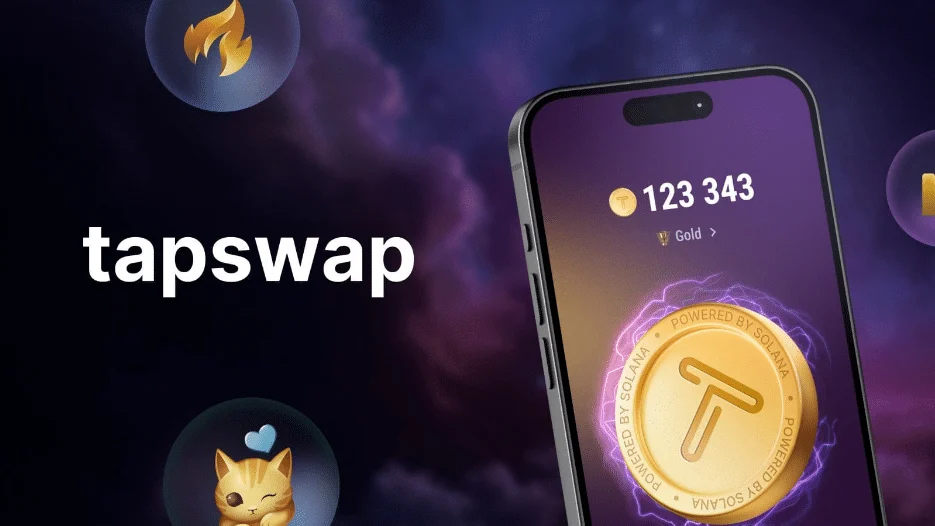
TapSwap is one of the more recognisable names to emerge from Telegram’s tap-to-earn wave, largely because it sticks closely to the formula that made the format popular in the first place. Players earn points through simple tapping mechanics tied to an energy system, with those points potentially translating into token rewards through future distributions. The game’s low barrier to entry and direct TON wallet integration have made it especially accessible to Telegram users already active within the broader TON ecosystem.
A large part of TapSwap’s growth has also come from its referral-driven structure, which helped the platform spread quickly across crypto communities and group chats. While the gameplay itself remains relatively straightforward, the project continues to hold attention through regular engagement and its position within Telegram’s expanding mini-app environment. At the same time, like many participation-heavy airdrop models, earning potential can shift as the user base grows, often favouring early adopters over later entrants.
4. Catizen
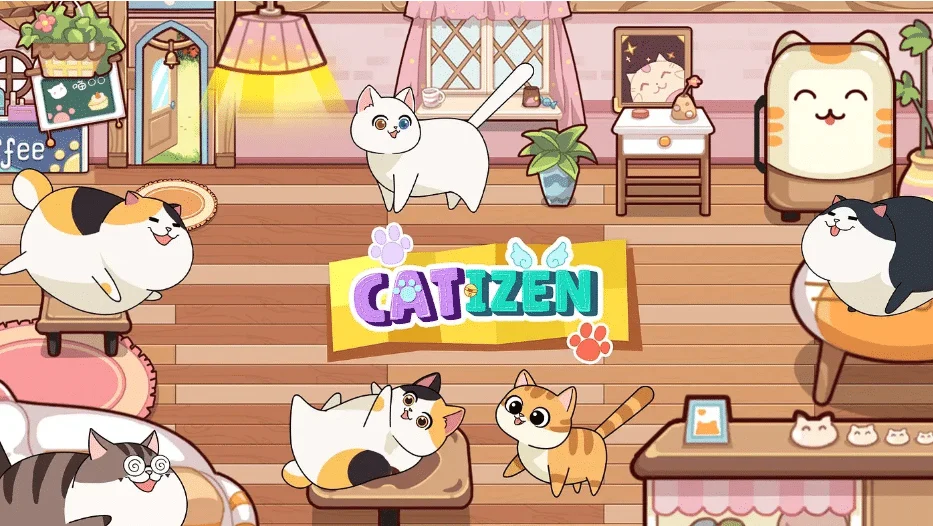
Catizen has a more holistic approach to its game than many Telegram-based play-to-earn titles, as it focuses on community interaction and long-term engagement rather than simply tapping to play and earn. Created by a team of blockchain and gaming developers in 2023, the platform combines casual gameplay with a reward system built around its CATI token, while also encouraging participation through in-game events, challenges and community activities.
The project has continued to stand out within Telegram’s gaming ecosystem because of its attempt to build a more structured platform beyond short-term airdrop hype. CATI holders are also given voting rights tied to parts of the platform’s development, adding a governance layer that is still relatively uncommon among casual Telegram games. Compared to more repetitive tap-to-earn models, Catizen leans further into light gaming and ecosystem-building, although rewards still depend heavily on user activity and the platform’s ability to maintain long-term interest.
5. Yescoin

Yescoin built much of its popularity around doing less. While many Telegram crypto games relied heavily on repetitive tapping mechanics, Yescoin introduced a swipe-based system where players collect coins simply by moving across the screen. The game runs as a mini-app within Telegram and requires very little setup, which helped it gain traction among users looking for a more casual entry point into crypto gaming.
A large part of the project’s appeal came from its early promise that accumulated in-game coins could eventually translate into YES tokens through a future airdrop. Alongside the main game model, users can also increase their points through daily check-ins, social tasks and wallet connections, giving more active participants additional ways to grow their balances over time. Built around the TON blockchain, Yescoin has continued to be a lighthearted and easy crypto game rather than a deeply complex gaming platform, which is also why many communities still view it as one of the simpler introductions to Telegram-based earning apps.
6. Hamster Kombat

Hamster Kombat takes the usual tap-to-earn structure and layers it with management-style gameplay centred around running a fictional crypto exchange operated by animated hamsters. While tapping still plays a role, progression depends more heavily on completing daily tasks, unlocking upgrades and making strategic decisions that improve in-game earnings over time.
The project saw rapid growth through Telegram referrals, social media virality and strong anticipation surrounding its HMSTR token ecosystem. Even as newer mini-apps continue entering the space, Hamster Kombat has managed to maintain visibility largely because of its massive community and continued platform expansion. At the same time, like many large-scale play-to-earn ecosystems, reward distribution has become more diluted as the user base has grown, making the game better suited to casual participation rather than expectations of significant returns.
7. Notcoin
Notcoin is still one of the go-to games every Telegram gamer would associate with Telegram’s tap-to-earn boom. Built on TON, the game became popular largely because of how simple it was to understand. Users could open Telegram, start tapping and begin collecting rewards within seconds, without dealing with the kind of complicated onboarding process that usually comes with crypto platforms.
That simplicity helped Notcoin reach a much wider audience than most blockchain games at the time, especially as Telegram communities began growing around the project. The token now sits more as an established part of the TON ecosystem rather than a new earning opportunity, with rewards no longer carrying the same momentum they did during the game’s early growth phase. Even so, Notcoin remains an important project within the space because it showed just how quickly a lightweight Telegram game could scale into a large crypto community.
8. X Empire

Most Telegram tap-to-earn games rely on the same formula of tapping the screen, collecting rewards, and repeating the whole thing over and over again. X Empire keeps some of that structure but builds a larger game around it. Players use collected resources to grow a virtual empire, complete missions and unlock different upgrades, giving the gameplay a bit more direction than endless tapping loops.
The project runs on TON through a Telegram bot and also brings DeFi features into the mix, including staking, liquidity pools and governance tied to the X token ecosystem. Its active Telegram community has remained a major part of the project’s visibility, especially among users interested in games that combine casual gameplay with broader crypto features.
9. CryptoKitties
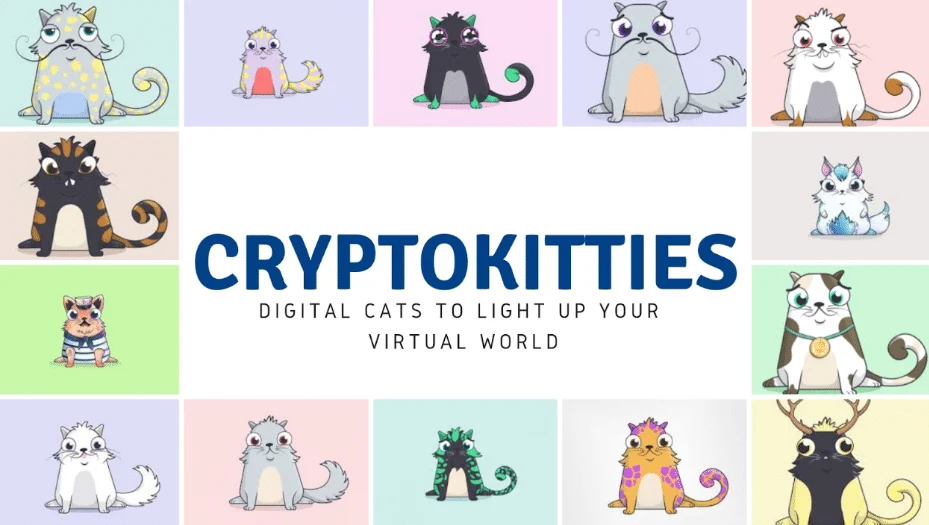
Long before Telegram tap-to-earn games became mainstream, CryptoKitties had already introduced many users to the idea of blockchain-based collectables. The game revolves around collecting, breeding and trading digital cats, each generated with unique traits that affect rarity and value within the ecosystem. While the concept sounds simple on paper, CryptoKitties became one of the earliest projects to show how NFTs could function as more than just static digital assets.
Part of the game’s staying power comes from its history within the NFT space. Even now, it continues to attract users curious about blockchain collectables, particularly those looking for a more relaxed alternative to fast-moving play-to-earn ecosystems. Community activity also remains a major part of the project, with updates, trading discussions and announcements continuing across Telegram and other social platforms.
10. Tons of Dungeons
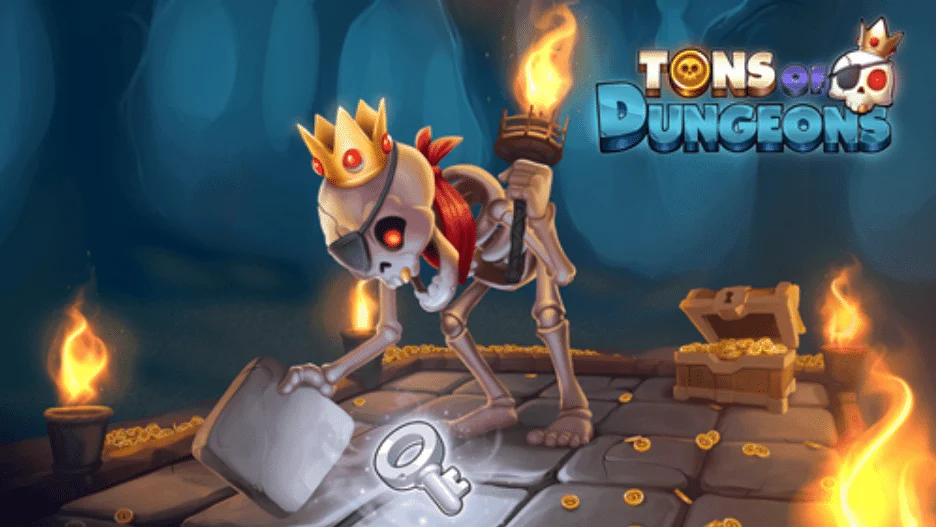
Tons of Dungeons takes inspiration from classic puzzle games and combines it with a dungeon-crawling theme, giving players something a little different from the usual tap-heavy Telegram games. The gameplay is built around a 5×5 grid where users uncover tiles in search of treasure while trying to avoid hidden traps, creating a format that feels closer to a lightweight minesweeper-style game than a traditional clicker app.
Rewards earned during dungeon runs can later be converted into $CHEF tokens on the TON blockchain. The game also includes a separate clicker-style mini-game that allows players to farm extra gold between rounds, which can then be used for upgrades and progression. That added layer of resource management gives the gameplay a bit more structure while still keeping it accessible enough for casual Telegram users.
11. SEED
SEED has managed to maintain a strong presence within Telegram’s play-to-earn space largely because of the scale of its community. The game centres around familiar tap-to-earn mechanics and crypto-based rewards, but much of its momentum comes from user engagement, with millions of players continuing to participate across the platform’s ecosystem.
The project’s community-driven growth has remained one of its biggest strengths, especially as Telegram gaming becomes increasingly competitive. While the SEED token saw a noticeable pullback after launch, interest around the project has continued, with some market watchers still viewing it as a project with room for recovery if activity within the ecosystem remains strong.
12. Pixel Tap
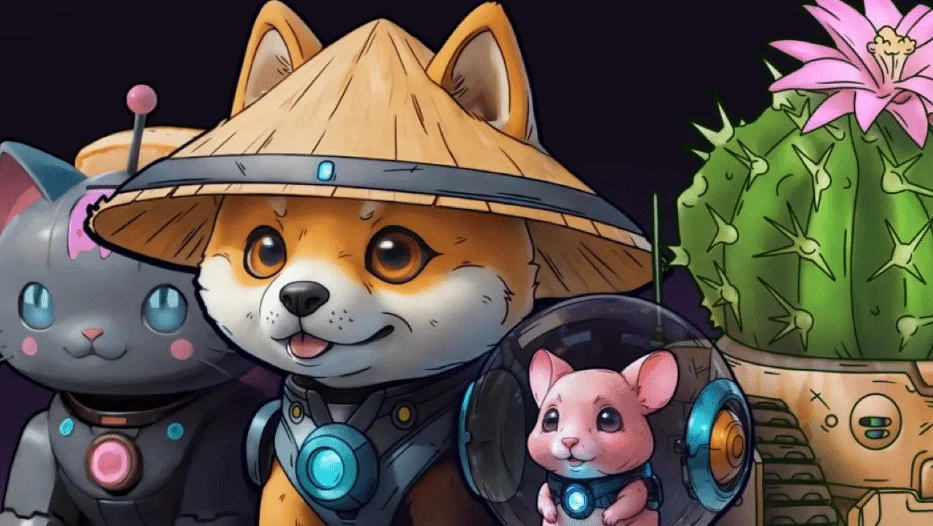
Pixel Tap brings a more arcade-style feel to Telegram gaming, combining retro visuals with a cyberpunk setting and competitive gameplay elements. Part of the wider Pixelverse ecosystem, the game revolves around tapping mechanics, PvP battles and NFT-based progression, with rewards tied to the platform’s native $PIXFI token.
Players can earn in-game currency through daily tasks, referrals, battles and general activity, but a large part of progression comes from upgrading bots used within the game. These bots are built around different functions such as battery, flash and power, which directly affect passive income generation and battle performance. That upgrade system adds a stronger progression loop compared to many simpler Telegram clicker games, especially for users interested in longer-term gameplay rather than quick reward farming.
13. RollerTap
RollerTap is built around a simple tapping system where players collect Roller Community Coins, or RCC, which act as the game’s main in-app currency. Players can use those rewards to increase their tap level and improve how much they earn over time, creating a progression system built around steady activity and upgrades.
The game also adds a competitive element through leaderboards, allowing users to track their rankings against other players. Alongside regular tapping, players can collect cards that boost profits and participate in limited events and challenges for extra rewards. Rather than trying to build a complex gaming ecosystem, RollerTap leans into the fast and repetitive style that has become closely associated with Telegram-based crypto games.
Final thoughts
Telegram games are no longer built purely around repetitive clicking and speculative hype, with many projects now experimenting with NFTs, governance systems, competitive gameplay, digital economies and stronger community-driven ecosystems. At the same time, their biggest advantage continues to be accessibility. Most of these games can be opened and played within seconds, making blockchain gaming feel far less intimidating for casual users who may never have interacted with crypto platforms otherwise. As with any crypto-related platform, users should take time to understand how a game works and explore it properly before spending money or making financial commitments.
Disclaimer. Readers are encouraged to do their own research. Ambcrypto is not liable for any outcomes related to the use of information, products, or services mentioned. This content may include affiliate or partner links.