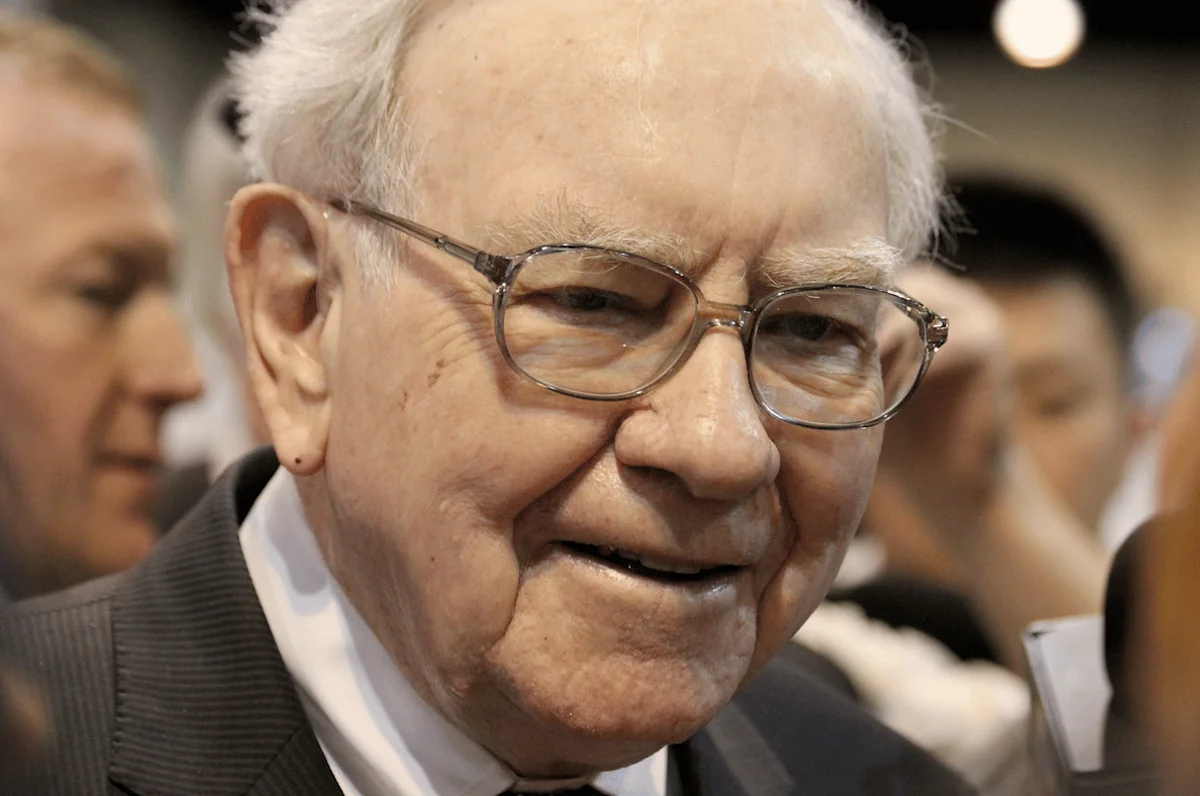
Warren Buffett gained control of Berkshire Hathaway (NYSE: BRKA) (NYSE: BRKB) in 1965 and ran it as his main investment vehicle until his retirement in 2025. During his 60-year tenure as CEO, Berkshire’s shares gained in value by an average of 19.9% annually, an incredible compounding track record.
But during this time frame, Berkshire Hathaway has paid a dividend just once: a $0.10-per-share cash distribution in 1967. The holding company’s reluctance to pay out dividends is key to its success story. Although Berkshire, particularly in more recent years, has repurchased its own shares, since Buffett’s 1965 takeover, its focus has been on reinvesting its earnings and investment gains into new investments and acquisitions.
Missed Nvidia in 2009? This Rare Signal Is Flashing Again. In 2009, a “Double Down” signal flashed for a little-known chipmaker called Nvidia. For the first time in years, that same “Total Conviction” signal is flashing for a company 1/100th the size of Nvidia. Continue »
While Greg Abel took over as CEO in January 2026, ushering in a new era for Berkshire, don’t assume these capital priorities are about to change.
Not paying dividends is part and parcel of Berkshire’s success
As Abel noted in his first letter to Berkshire Hathaway shareholders, “Our approach to cash dividends continues to be that Berkshire will not pay dividends so long as more than a dollar of market value for shareholders is reasonably likely to be created by each dollar of retained earnings.”
In other words, Berkshire Hathaway appears to remain dedicated to Buffett’s approach, the very approach that turned this former textile company into one of the world’s largest conglomerates. So far this year, Abel has demonstrated that Berkshire is still in the business of deploying its capital into new acquisitions and investments.
For instance, on July 24, Berkshire Hathaway completed its $8.5 billion acquisition of homebuilder Taylor Morrison. Also, this year, under Abel’s leadership, the company has increased its equity stake in Alphabet. During Q2, Berkshire increased its position by $17 billion, $10 billion of which came from its private placement investment in newly issued Alphabet shares.
Share repurchases remain a secondary option
Only time will tell whether these Abel-led acquisitions and investments will perform as well as, if not better than, the Warren Buffett investments in the Berkshire portfolio. While reinvesting cash flow and capital into new investments remains Berkshire Hathaway’s main focus, that’s not its only use for excess capital.