Apple’s Tim Cook sounded the price increase alarm in June.
“Unfortunately, price increases are unavoidable,” he told The Wall Street Journal. “We’re doing everything we can to mitigate the huge increases being passed on to us.”
The problem is a global shortage of memory chips. These components, known as DRAM (memory) and NAND (storage), are inside nearly every computing device sold today.
Cook was not casual in his warning.
“This is a hundred-year flood,” he said.
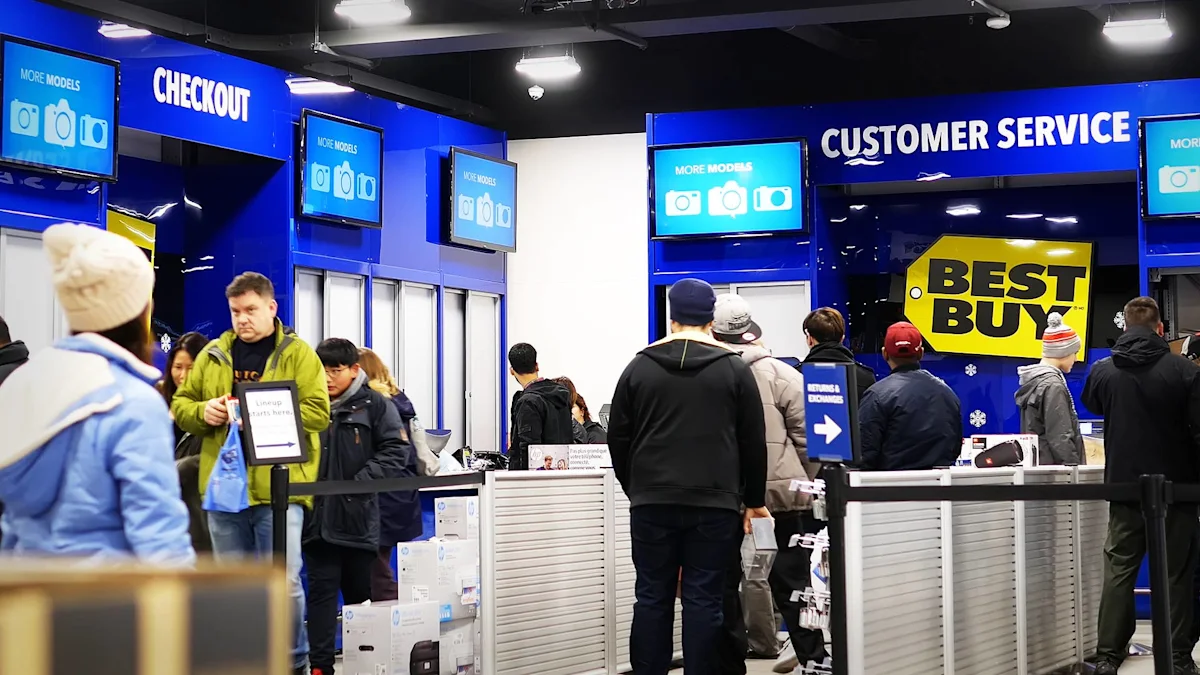
It’s a situation that means higher prices, not just for Apple, but for consumers across the board. Normally, that would push consumers to stock up before prices increase, but that’s not what’s happening, according to Best Buy’s outgoing CEO Corie Barry.
Best Buy’s CEO shares purchasing trend
Traditionally, when people know that price increases are coming, that leads to at least some consumers buying ahead to meet future needs.
That’s not happening, according to Barry.
“In our research around the consumer. We are not seeing any indicators that would say the customer is pulling forward purchases,” she said during Best Buy’s first-quarter earnings call.
More Retail:
Barry noted that the upcoming price increases, something that will hit pretty much any product that uses memory, unless the manufacturer opts to eat higher costs, have not impacted customer purchases.
“And in fact, very few really are worried about memory, as I say, in air quotes. And we’ve been keeping a really tight eye on this. So I think, again, I said it, we continue to see very consistent customer behavior, which is a customer that’s under a little more pressure, but still resilient, attracted to deals and sales moments, shopping within their budget,” she added.
Americans are being cautious
A few months ago, I ordered a hot tub because it was being offered at a lower price than I had seen before. We hadn’t moved into the house where the spa is located, but spending the money now meant saving close to $1,000 rather than pushing the purchase down the road.
When consumers choose not to buy ahead, despite expected price increases, it can be an early sign they’re feeling less confident about future spending. That’s backed by data from a report by McKinsey & Company’s ConsumerWise team.
“In the second quarter of 2026, U.S. consumers faced uneven hiring, rising inflation, and ongoing geopolitical tensions. Against that backdrop, a smaller share of consumers reported feeling optimistic about the economy, while a greater share said they felt pessimistic. Consumers also reported intentions to pull back spending across most discretionary categories,” according to McKinsey.