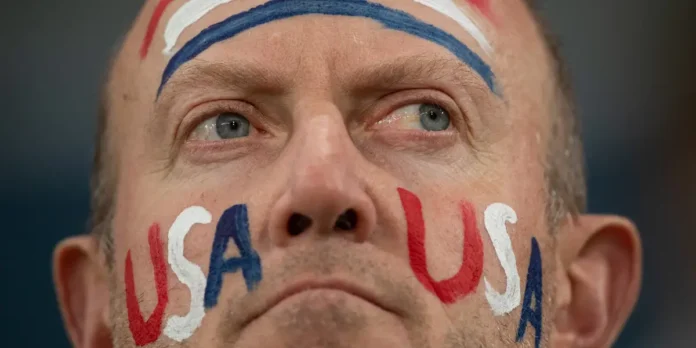
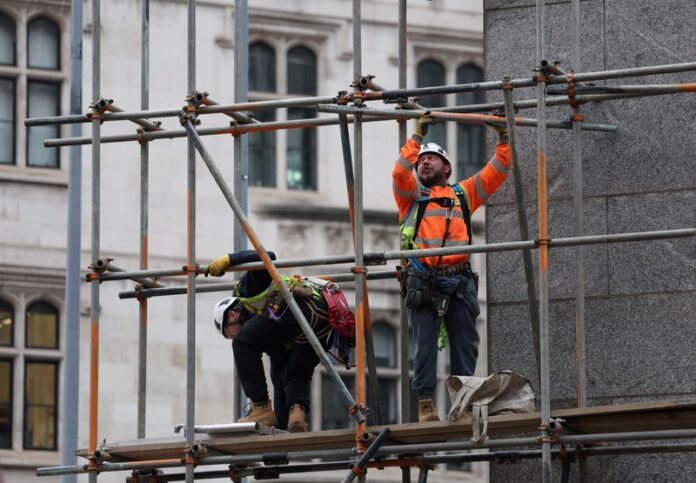
The 2026 World Cup is shaping up to be the most profitable tournament for FIFA and the most expensive for fans in history. Business Insider reporter Pete Syme investigated why ticket prices are so high and compiled five charts that illustrate just how out of reach many of the tournament’s games are for average fans. What Syme discovered is that ticket prices are higher than ever because FIFA has adopted ticketing practices common in North America, like dynamic pricing and running its own secondary resale market, where prices skyrocket further. But it doesn’t stop there. The additional costs fans have to pay are also high, including flights, hotels, and transit to game stadiums. Some American cities are jacking up transit prices on game days. When it’s all said and done, FIFA stands to make $13 billion during the 2026 World Cup cycle.
Cardano is getting attention again, but not the kind holders usually want.
ADA fell to around $0.16 on Thursday, down nearly 30% over the past seven days and more than 75% over the past year, CoinDesk data show. The token briefly traded below $0.16, its lowest level since December 2020, extending a drawdown that has turned Cardano from one of crypto’s largest retail communities into one of the market’s clearest stress cases.
The latest selling followed comments from founder Charles Hoskinson, who said he was “taking a break” after warning that Cardano could face a “wave of failures” across its ecosystem. His remarks came after TapTools, a Cardano analytics platform, said it would shut down after four years, and after the community voted against funding Cardano’s 2026 Summit in Singapore.
The market reaction has now spread beyond price.
Santiment said ADA’s social dominance reached about 0.52%, a 2026 high, meaning more than one in every 190 crypto-related discussions across tracked social channels focused on Cardano.
Daily active addresses also climbed to 28,459, the highest level in four months, suggesting users are moving funds, checking positions or interacting with the network during the selloff.
Such a kind of activity can be read two ways.
The bullish version is that Cardano’s base has not disappeared. ADA still has one of crypto’s louder communities, and activity rising into a selloff can show holders are engaged rather than checked out.
However, another read is that attention is being pulled in by distress. Project shutdowns, funding fights and the founder stepping back are not the kind of catalysts that usually bring durable bids. Retail loyalty can keep a token relevant, but it cannot replace ecosystem growth, new capital or working applications.
That is the test now. ADA is cheap by old cycle standards, but cheap alone is not a catalyst. Cardano needs evidence that projects can survive, treasury funding can be deployed and users have reasons to do more than defend the chain online.
June 4 (Reuters) – S&P Global said on Thursday it was not changing the requirements for entry into its major indices, dealing a setback to Elon Musk’s SpaceX by effectively ruling out a swift entry for the world’s biggest-ever IPO into the benchmark S&P 500 index.
Musk has rewritten the IPO playbook for SpaceX in many ways from planning to give retail investors a bigger role in allocations to pushing for early index inclusion, and structuring governance to preserve strong founder control.
The company is raising $75 billion and targeting a $1.75 trillion valuation that would place it among the top 10 most valuable U.S.-listed firms, even as only a fraction of its shares are available for trading.
But S&P said “exceptions to the financial viability, seasoning, and IWF (investable weight factor) requirements should not be granted solely based on market capitalization”.
To be included in the S&P 500, a company must be profitable under Generally Accepted Accounting Principles in its most recent quarter as well as for the sum of its most recent four quarters, according to one of the rules S&P left unchanged.
SpaceX posted a net loss of $4.94 billion in 2025, even as revenue rose 33% to $18.67 billion.
INVESTOR CONSULTATIONS
S&P had consulted with investors about shortening the time a megacap company must be publicly listed before joining its indexes, waiving minimum float requirements and removing its profitability requirement.
The S&P 500 is Wall Street’s most widely followed benchmark. Passive S&P 500 index funds with trillions of dollars in assets would have been forced to buy up SpaceX shares had rules been changed to admit it to the index.
“It speaks highly of the credibility of S&P Dow Jones Indices to be rules-based and make sure there’s profitability before entrance to the index,” said Art Hogan, chief market strategist at B. Riley Wealth.
“Making exceptions because companies are so large and have been private so long yet are still not profitable, didn’t make a great deal of sense.”
Nasdaq has already made changes that will make it easier for SpaceX, Anthropic and other newly listed megacaps to join its Nasdaq 100 index.
Nasdaq 100 index funds will be forced to buy a sizeable portion of publicly available SpaceX shares when the company joins that index.
Exchange operators have ramped up efforts to boost initial public listings as richly valued technology firms such as SpaceX and AI giants Anthropic and OpenAI edge closer to public offerings, amid growing concerns over a steady decline in the number of U.S.-listed companies.
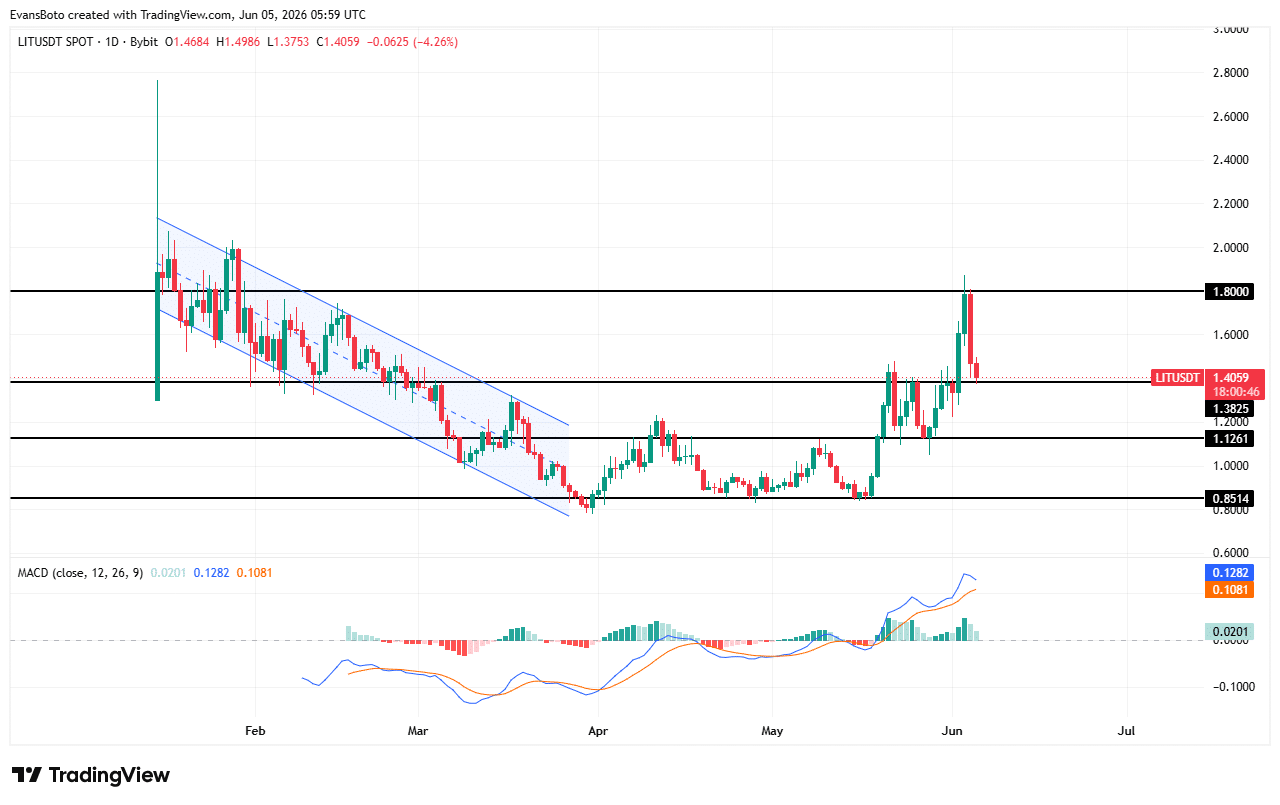
Lighter [LIT] suffered a sharp correction after rejecting the $1.80 resistance level, with the token falling more than 20% within 24 hours as selling activity intensified across the market.
The decline pushed LIT to around $1.38, erasing a large portion of the rally that had carried the asset to multi-month highs only days earlier. Trading activity also weakened during the sell-off, with volume dropping 17.58% to $128.6 million.
This decline in both price and volume suggested that traders had reduced participation after the rejection.
However, LIT continued holding above a key breakout region, keeping attention focused on whether buyers could stabilize the market before another wave of selling emerged.
Why are Binance traders still bullish?
Despite the severe correction, Binance’s top traders maintained a notably bullish stance.
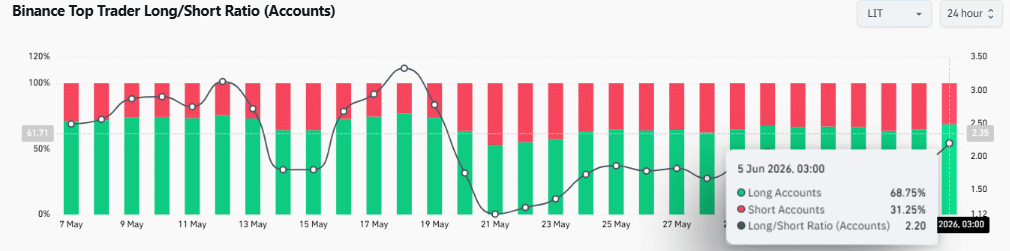
CoinGlass analytics showed that 68.75% of top trader accounts remained long, while only 31.25% held short positions. The Long/Short Ratio stood at 2.20, highlighting a significant imbalance in favor of bullish bets.
Such positioning suggested that experienced traders had viewed the recent decline as a correction rather than the beginning of a prolonged downtrend.
However, the concentration of long exposure also increased risk. If LIT failed to hold key support levels, additional downside pressure could emerge from long liquidations.
Nevertheless, the persistence of bullish positioning indicated that a large segment of traders continued expecting a recovery despite the aggressive sell-off.
Source: CoinGlass
Can LIT defend its breakout structure?
Following its rejection near $1.80, LIT retraced toward the $1.38 region, which aligned with a key breakout area from the recent rally. This zone now represented the first major support level that buyers needed to defend.
A sustained hold above $1.38 would keep the broader recovery structure intact and could encourage fresh buying interest.
However, a breakdown below this area would expose the market to a deeper retracement toward the $1.12 support level highlighted on the chart.
Looking at the indicator structure, MACD remained in bullish territory despite the pullback. The MACD line stayed above the signal line, while both indicators remained above the zero line.
Although the histogram had begun shrinking, bullish conditions had not completely disappeared. Therefore, buyers still retained an opportunity to regain control if support continued holding.
Source: TradingView
Liquidity wall sits above the current price
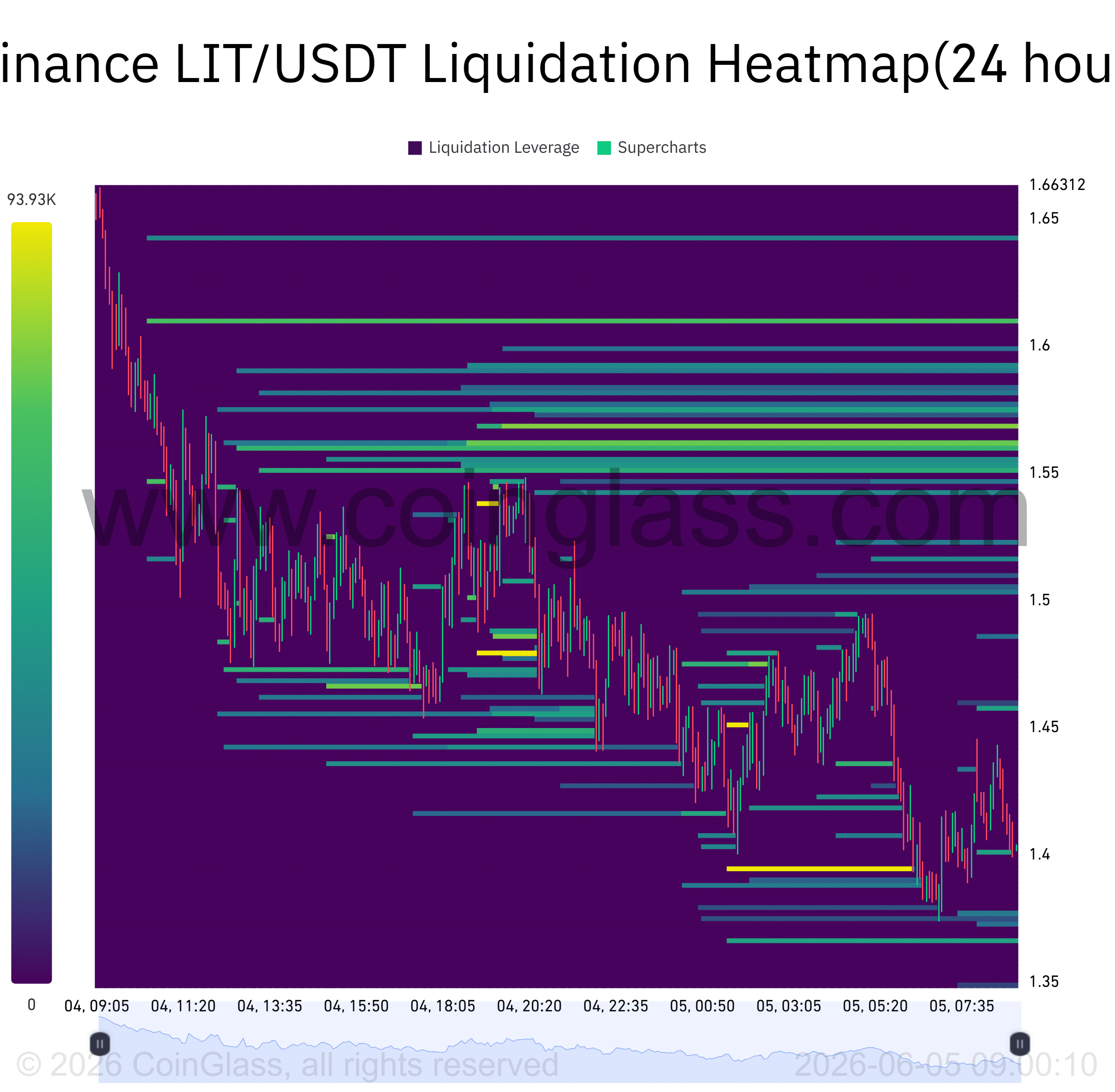
Liquidation data revealed a dense concentration of liquidity between $1.55 and $1.60. Several large liquidation clusters had formed within this range, making it one of the most attractive short-term targets if buyers regained strength.
Markets frequently gravitate toward areas containing substantial leverage because those zones provide liquidity for larger participants. As a result, any sustained recovery from current levels could pull LIT toward this region.
On the downside, liquidity appeared comparatively thinner below current prices, reducing the immediate attraction of lower levels.
However, failure to defend the $1.38 support area could still trigger another wave of selling pressure before buyers attempted to re-enter the market.
Source: CoinGlass
Is LIT preparing for a rebound toward $1.60?
Current conditions suggested that a recovery remained possible despite the sharp decline. Binance traders had continued favoring long positions, MACD had remained bullish, and LIT had still traded above a critical breakout zone.
If buyers successfully defended the $1.38 support area, price could rebound toward the $1.55–$1.60 liquidity cluster.
However, losing that support would weaken the bullish case and could shift attention toward lower support levels instead.
Latest developments: Sen. Angela Alsobrooks said she will not support the Clarity Act on the Senate floor unless negotiators reach agreement on ethics provisions and other outstanding issues.
Alsobrooks said ethics concerns remain a major sticking point, alongside illicit finance provisions and work still needed in the Agriculture Committee.
She characterized her committee vote advancing the bill as support for continued bipartisan negotiations, not unconditional support for final passage.
“We’re almost there, but not quite there yet,” Alsobrooks said of the negotiations.
Alsobrooks joined Rebecca Rettig and Renato Mariotti on CoinDesk’s The Policy Protocol.
The compromise: Alsobrooks defended the stablecoin yield language that drew criticism from JPMorgan Chase CEO Jamie Dimon and parts of the banking industry.
She said she was among the first senators to raise concerns that allowing interest-bearing stablecoins could trigger deposit flight from community banks.
According to Alsobrooks, negotiators spent roughly nine months crafting language that bars crypto firms from paying yield solely on stablecoin balances and prevents firms from offering products that mimic bank accounts without bank-like protections.
She argued the final compromise balances industry innovation with consumer and banking-sector protections, even if neither side is fully satisfied.
Why it matters: Alsobrooks framed crypto regulation as a response to growing consumer adoption rather than a speculative future policy debate.
She noted that tens of millions of Americans already own cryptocurrency and said lawmakers have a responsibility to establish consumer protections.
The senator argued that digital assets represent an economic opportunity many younger Americans believe they need as traditional paths to wealth become less attainable.
She said the goal is to ensure the U.S. remains a leader in digital asset innovation while protecting consumers from harm.
Reading between the lines: Alsobrooks suggested Democratic skepticism toward crypto legislation is driven less by the technology itself than by concerns about corruption, ethics and fraud.
She pointed to concerns involving President Trump’s business interests and broader questions about ethics in the digital asset space.
She said many lawmakers remain focused on preventing scams and strengthening protections for consumers who have already suffered losses.
Alsobrooks argued that remaining engaged in negotiations is the best way to ensure constituents have a voice in shaping the final rules.
What comes next: The senator outlined a short list of priorities needed to move the legislation across the finish line.
Negotiators must finalize ethics provisions acceptable to both parties.
Lawmakers are still working through illicit finance language championed by Sen. Catherine Cortez Masto.
The Agriculture Committee must also reach a bipartisan agreement before final Senate consideration can proceed.
NEW YORK, June 4 (Reuters) – Global stocks inched higher in choppy trading on Thursday, with European gains followed by a mixed session on Wall Street as investors weighed a snag in AI momentum, while oil prices fell, dragged by a ceasefire between Israel and Lebanon.
In the U.S., the benchmark S&P 500 reversed early losses to finish higher, and the Dow Jones Industrial Average hit a record closing high while the Nasdaq edged lower, as technology shares drove losses and healthcare and financial stocks led gains.
The Dow rose 1.73%, the S&P 500 rose 0.41%, and the Nasdaq Composite fell 0.09%.
Shares in Broadcom tumbled more than 12%, pulling semiconductor stocks broadly lower, after the chipmaker’s results disappointed investors who had bet on surging demand for its custom AI chips. The Philadelphia semiconductor index lost 2.2%.
Europe’s bourses rose 0.52%. MSCI’s gauge of stocks across the globe rose 0.09%.
“We saw a little pocket of weakness in the chip stocks with the disappointing news from Broadcom last night,” said James St. Aubin, chief investment officer at Ocean Park Asset Management.
“Today’s action in tech specifically is emblematic of how fragile sentiment can be for a group of stocks that experience massive gains in a short period of time.”
CRUDE OIL DIPS
U.S. President Donald Trump’s efforts to halt fighting in Lebanon were undermined after the pro-Iran Hezbollah movement rejected the new ceasefire and Israel said it would not withdraw troops from the country.
The Republican-led U.S. House of Representatives also approved a war powers resolution on Wednesday to block Trump from continuing the conflict against Iran.
The measure is largely symbolic, however, as it must still pass the Senate and would need a two-thirds majority in both chambers to override an almost certain presidential veto.
“Those headlines are probably net positive on the geopolitical front and the market is embracing that for now. We’ve seen a lot of volatility around geopolitical headlines in both directions and I would say at the margins, it’s positive with the ceasefire agreement,” St. Aubin said.
Brent crude prices dropped nearly 3% to settle at $95.03 a barrel.
YEN HOVERS AROUND 160
In currency markets, investors were watching out for possible official intervention as the Japanese yen hovered near the key 160 level.
Chief Cabinet Secretary Minoru Kihara had said in Tokyo he expects the central bank to coordinate its moves with the government after BOJ Governor Kazuo Ueda had given fresh hints that an interest rate hike is in the cards this month.
The Japanese yen strengthened 0.02% against the greenback to 160.02 per dollar.
The euro was up 0.12% at $1.1609. Against the Swiss franc, the dollar weakened 0.3% to 0.789.
The dollar index, which measures the greenback against a basket of currencies including the yen and the euro, was flat at 99.46.
U.S. Treasury yields were lower across the board. The yield on benchmark U.S. 10-year notes fell 1.4 basis points to 4.477%.
Spot gold rose 1.03% to $4,477.51 an ounce. Bitcoin fell 2.53% to $63,265.22.
(Reporting by Chibuike Oguh in New York; Editing by Nia Williams, Chris Reese and David Gregorio)
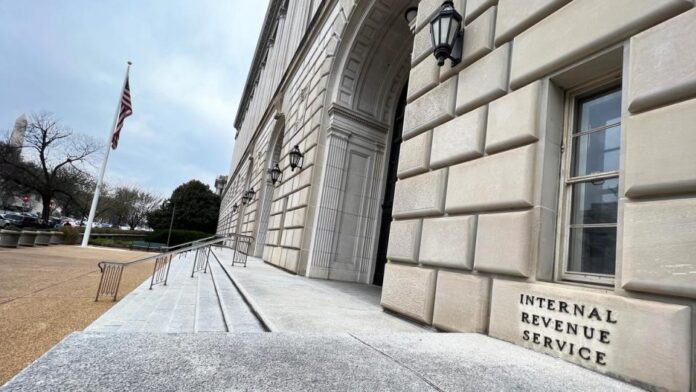
A set of seven crypto tax bills are being circulated in advance of a hearing of the U.S. House Ways and Means committee next week, with each of the legislative drafts tackling its own narrow aspect of digital assets tax treatment, including relaxing demands for taxes on small transactions and the assets gains in mining and staking.
The committee that oversees tax issues is set to discuss the ideas on June 9, and the legislative text indicates that the panel is targeting a number of areas with focused bills. The various proposals include eliminating tax demands on certain small ( or “de minimis”) transactions, stablecoin activity and network fees; governing the taxation of assets acquired through crypto mining; melding digital assets with existing tax treatment of securities; applying so-called wash sale rules to crypto; and cutting out an appraisal requirement in digital asset donations to charity.
Reducing the mining and staking tax burden is a major component of the industry’s tax-policy strategy, focused on eliminating double taxation in which the assets are taxed both at the time of acquisition and at the point of sale. One of the draft bills seeks to address that issue by allowing taxpayers to choose between paying at receipt or when they sell the assets.
“Getting the tax treatment of digital assets right is essential to compliance, to everyday use, and to keeping this activity and its revenue in the United States,” said Alison Mangiero, policy head for the Crypto Council for Innovation, in a statement. She said that this particular approach with seven individual bills and a full committee hearing “is significant on procedural grounds alone” and hasn’t been used in the committee for years.
“Several provisions in this package reflect priorities we have long advanced.” she said, including letting GENIUS Act-compliant stablecoins function as a payment tool and the break on network transaction fees the CCI has “long advocated for.”
Cody Carbone, the CEO of the Digital Chamber, said in a statement he welcomes the coming hearing as a chance “to refine these proposals and keep the bipartisan tax effort moving forward.” He added that his organization will work with the committee “to strengthen the drafts and deliver the tax clarity and fairness digital assets deserve.”
Though the Digital Asset Market Clarity Act has been the top U.S. policy focus of the crypto industry, Washington lobbyists have routinely said that crypto tax policy was next in line. There have been a number of previous efforts to tackle the lack of clarity on what should constitute a taxable gain in the digital assets space, including an initiative pushed by Senator Cynthia Lummis, a Wyoming Republican who leads a digital assets subcommittee in the Senate Banking Committee.
Lummis has sought and failed to get traction on the ideas several times, including an unsuccessful attempt to get them attached last year to the Republican’s One Big Beautiful Bill spending package.
The arrival of bipartisan crypto tax efforts in the House comes fairly late in the congressional session, though there will be a number of must-pass bills this year that could have items attached to them.
UPDATE (June 5, 2026, 20:07 UTC): Adds comment from CCI.