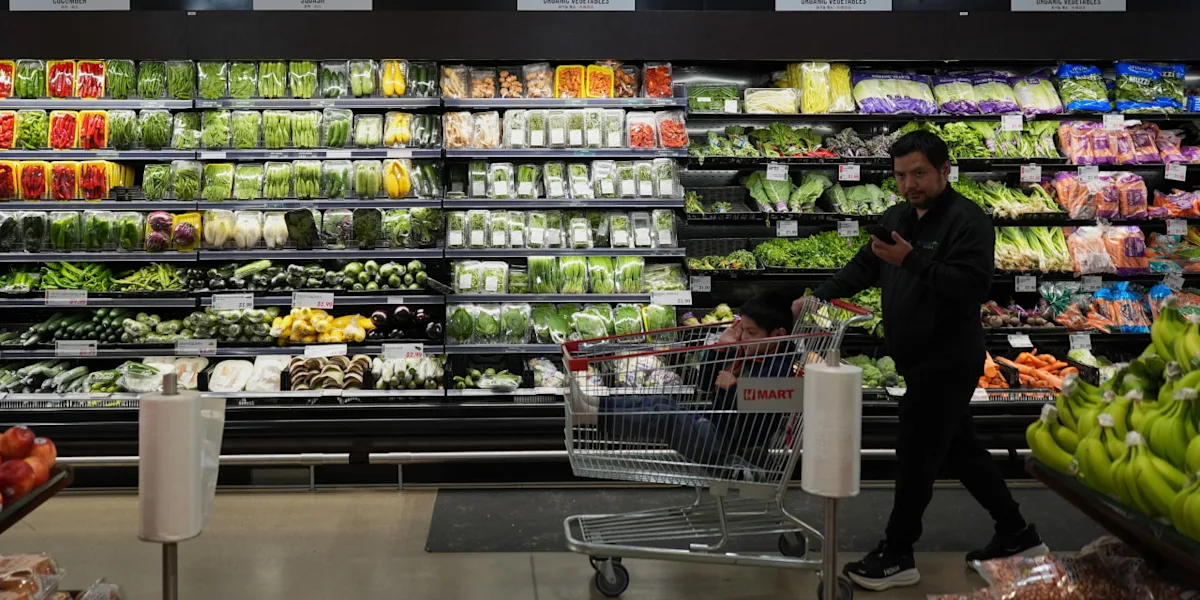
Americans got a break on inflation last month, with better deals at the gas station and cooler price increases across much of the economy.
Consumer prices were up 3.5% in June from a year earlier, beating expectations and improving from the 4.2% inflation rate in May. Inflation was also lower than the 3.8% that analysts polled by The Wall Street Journal expected.
Table of Contents
Most Read from The Wall Street Journal
Over the month, consumer-gasoline prices dropped substantially from May. But even excluding food and energy products, prices were flat across the whole economy from the previous month, evidence that inflation trends broadly cooled.
Oil is at the forefront…
Faster price increases in recent months have made inflation the top concern once again for many economists and policymakers. After cooling to as low as 2.3% last year, inflation has picked up sharply in 2026.
The Iran war started 4½ months ago, and higher energy prices since then have been the most important driver of rising costs. In June, de-escalation helped soothe oil markets, but this month, the ceasefire collapsed and fighting resumed. The benchmark U.S. oil price is up 12% in July through Monday.
…but AI and tariffs are also fueling inflation
Setting oil aside, economists aren’t convinced that the inflation danger has passed. Measures of core inflation, which exclude volatile food and energy prices, have been stubborn too, suggesting that some of the inflation rebound springs from deeper economic trends.
In particular, the surge of investment in artificial-intelligence infrastructure could continue to push up prices even if the Iran conflict winds down. President Trump’s tariffs may also continue to filter through into higher prices.
Caution at the Fed
Markets started the year pricing in rate cuts. But in recent months, the resurgent inflation has led a growing group of Federal Reserve officials to consider whether they might need to raise interest rates instead.
On Monday, one Fed official, governor Christopher Waller, hinted that this week’s inflation data would be pivotal for whether the central bank will consider raising rates as soon as its next meeting, which takes place later this month. Before Tuesday’s inflation data, traders in interest-rate futures markets saw roughly 2-in-5 odds of a July rate hike.