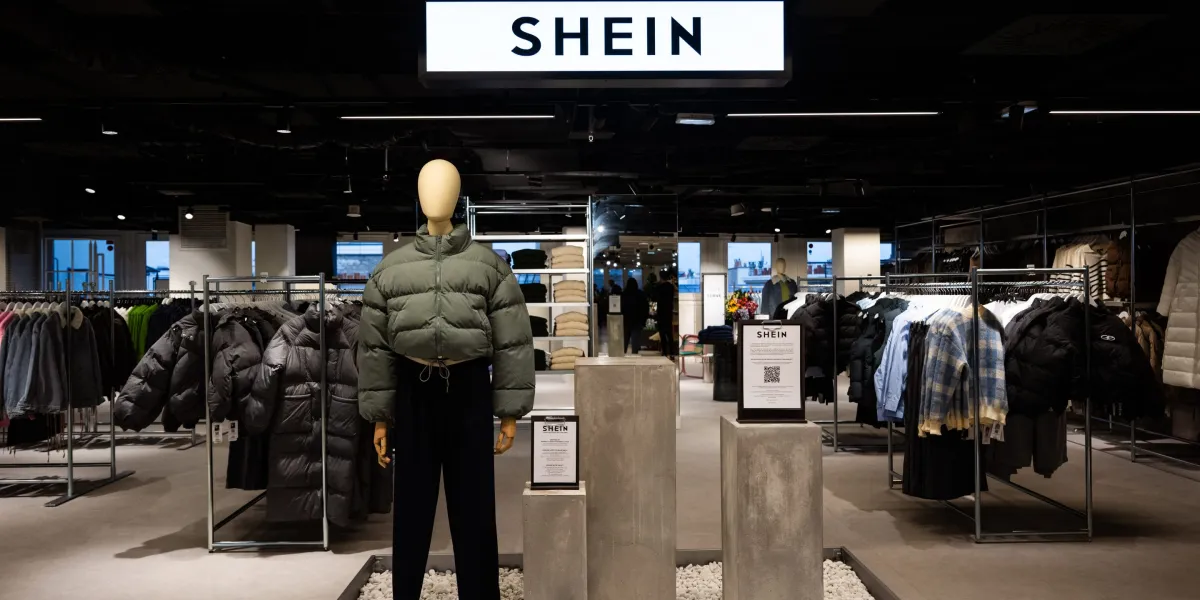
Chinese fast-fashion business Shein Global Holdings Ltd. was once worth more than the parent companies of H&M and Zara, giving its reclusive boss Sky Xu a net worth of more than $23 billion.
But Xu’s fortunes have turned in four short years as Shein battles tariffs, political scrutiny and growing competition. Shein is set to go public in Hong Kong on Tuesday at just over a quarter of the $100 billion it was worth in 2022. Xu’s personal wealth, based on his 30% stake, falls to about $8 billion at the listing price, according to the Bloomberg Billionaires Index.
The more than $15 billion decline in Xu’s riches also comes down to poor timing. Chinese consumer brands that went public over the past year or so initially drew strong investor interest until a string of artificial-intelligence companies made their debuts, stealing their thunder and minting new billionaires.
“They definitely missed the window,” Sam Wyatt, an international-equities portfolio manager at U Ethical Investors based in Melbourne, said of Shein’s initial public offering. E-commerce is now a less attractive story to investors than AI, he said.
Read More: Shein Bets on Everlane Acquisition to Kickstart Empire Post-IPO
While some AI companies have delivered blistering first-day gains, the overall performance of Hong Kong IPOs has been mixed. Shares of beverage maker Eastroc Beverage Group Co. and pig breeder Muyuan Foods Co. are both trading below their listing prices after debuts that exceeded $1 billion. The brothers who founded Mixue Group, a fast-growing bubble-tea chain, have seen their wealth shrink by more than a fifth since the company went public last year.
A Shein spokesperson didn’t respond to a request for comment.
Xu, 43, started Shein in 2012 with three partners. They had all worked at the same search-engine marketing company and used their experience to grow Shein into an online retailer known for cheap, trendy clothes. The business flourished during the Covid-19 pandemic, when young shoppers fueled an explosion of sales.
Revenue growth has slowed since then, according to data Shein disclosed in July ahead of its IPO. One of the company’s key strategies — sidestepping import taxes in the US and Europe through small shipments — was upended last year when the Trump administration ended a key tariff exemption and the European Union announced a fixed customs duty on small parcels.
“The direction of the market is changing, not in Shein’s favor, especially in the recent years,” said Sheng Lu, a professor in fashion and apparel studies at the University of Delaware. AI is also leveling the playing field for Shein’s competitors, who would be able to cater better and more quickly to changing consumer tastes, he said.
Shein tried to go public during its heyday but struggled to gain traction in New York and London, where the company faced scrutiny over its labor practices. The company’s supply chain is rooted in China but relies on the US and Europe as key markets. Executives distanced the brand from its Chinese origins and moved its global headquarters to Singapore, though they ultimately needed Chinese regulators’ approval for an IPO.
“Shein was the hottest topic two to three years ago — a Chinese firm that could have IPO’ed in the US because it already had a strong fast-fashion brand in the US and strong consumer recognition,” said Jason Hsu, chief investment officer at Rayliant Global Advisors. “But the hot topic now is AI.”