\
Saturday, September 12, 2026
Home Finance Berkshire Hathaway Has Paid Exactly 1 Dividend Since 1965. Here’s Where the...

Berkshire Hathaway Has Paid Exactly 1 Dividend Since 1965. Here’s Where the Cash Goes Instead.

0
3
Berkshire Hathaway Has Paid Exactly 1 Dividend Since 1965. Here's Where the Cash Goes Instead.


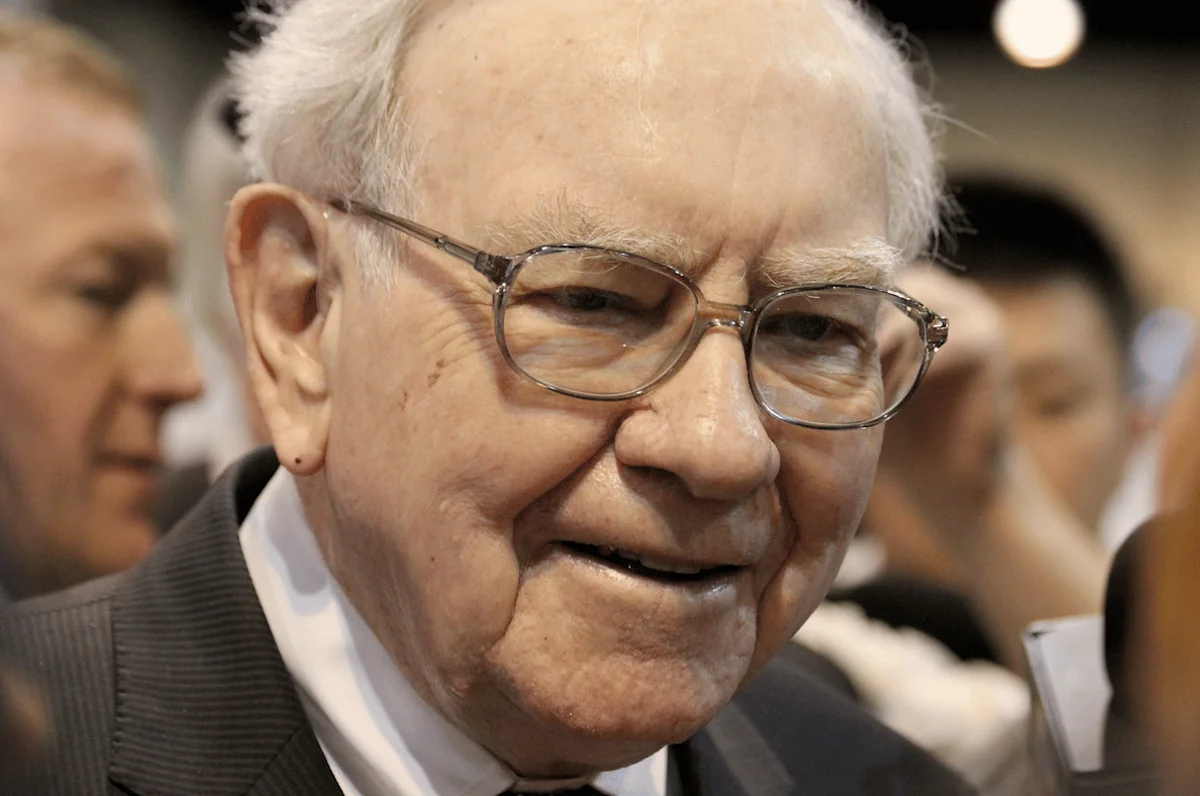
Warren Buffett gained control of Berkshire Hathaway (NYSE: BRKA) (NYSE: BRKB) in 1965 and ran it as his main investment vehicle until his retirement in 2025. During his 60-year tenure as CEO, Berkshire’s shares gained in value by an average of 19.9% annually, an incredible compounding track record.

But during this time frame, Berkshire Hathaway has paid a dividend just once: a $0.10-per-share cash distribution in 1967. The holding company’s reluctance to pay out dividends is key to its success story. Although Berkshire, particularly in more recent years, has repurchased its own shares, since Buffett’s 1965 takeover, its focus has been on reinvesting its earnings and investment gains into new investments and acquisitions.

Missed Nvidia in 2009? This Rare Signal Is Flashing Again. In 2009, a “Double Down” signal flashed for a little-known chipmaker called Nvidia. For the first time in years, that same “Total Conviction” signal is flashing for a company 1/100th the size of Nvidia. Continue »

While Greg Abel took over as CEO in January 2026, ushering in a new era for Berkshire, don’t assume these capital priorities are about to change.

Image source: The Motley Fool.

Not paying dividends is part and parcel of Berkshire’s success

As Abel noted in his first letter to Berkshire Hathaway shareholders, “Our approach to cash dividends continues to be that Berkshire will not pay dividends so long as more than a dollar of market value for shareholders is reasonably likely to be created by each dollar of retained earnings.”

In other words, Berkshire Hathaway appears to remain dedicated to Buffett’s approach, the very approach that turned this former textile company into one of the world’s largest conglomerates. So far this year, Abel has demonstrated that Berkshire is still in the business of deploying its capital into new acquisitions and investments.

For instance, on July 24, Berkshire Hathaway completed its $8.5 billion acquisition of homebuilder Taylor Morrison. Also, this year, under Abel’s leadership, the company has increased its equity stake in Alphabet. During Q2, Berkshire increased its position by $17 billion, $10 billion of which came from its private placement investment in newly issued Alphabet shares.

READ:   SpaceX just took Palantir's top spot with one of the most excessive valuation multiples in megacap tech

Share repurchases remain a secondary option

Only time will tell whether these Abel-led acquisitions and investments will perform as well as, if not better than, the Warren Buffett investments in the Berkshire portfolio. While reinvesting cash flow and capital into new investments remains Berkshire Hathaway’s main focus, that’s not its only use for excess capital.
Secondary to Berkshire’s confidence in its ability to reinvest its capital, the company has also historically shunned issuing dividends due to their tax inefficiency. Cash dividends are taxable, but share buybacks, which achieve the same objective of returning capital to investors, are only taxable to those who sell their shares.

Abel has resumed buybacks since taking the helm. Berkshire maintains the same buyback policy as before, opting to only repurchase shares when it’s “conservatively determined” by management that the stock trades below intrinsic value. Berkshire bought back just $235 million in shares during Q1 2026, but since April has accelerated repurchases, buying back $4.5 billion in Q2 and an additional $3.5 billion since then.

Based on recent activity, Abel appears to be balancing between new investments and repurchases. While not certain, this approach may continue, especially since over $350 billion out of Berkshire’s $1.26 trillion in total assets remain in cash and cash equivalents. Berkshire Hathaway may still not be one of the top dividend stocks, but Abel is arguably sticking to the approach that made it a successful long-term investment.

Should you buy stock in Berkshire Hathaway right now?

Before you buy stock in Berkshire Hathaway, consider this:

The Motley Fool Stock Advisor analyst team just identified what they believe are the 10 best stocks for investors to buy now… and Berkshire Hathaway wasn’t one of them. The 10 stocks that made the cut are built for long-term growth and could produce monster returns in the coming years.

Consider when Netflix made this list on December 17, 2004… if you invested $1,000 at the time of our recommendation, you’d have $417,413!* Or when Nvidia made this list on April 15, 2005… if you invested $1,000 at the time of our recommendation, you’d have $1,341,294!*

READ:   This is One of The Best AI Stocks to Own In 2026

That performance is why people listen. With a track record of beating the S&P 500 by nearly 5x, Stock Advisor offers a distinct advantage. Don’t miss the latest top 10 list, available with Stock Advisor, and join an investing community built for the long haul.

See the 10 stocks »

*Stock Advisor returns as of September 12, 2026.

Thomas Niel has no position in any of the stocks mentioned. The Motley Fool has positions in and recommends Alphabet and Berkshire Hathaway. The Motley Fool has a disclosure policy.

Berkshire Hathaway Has Paid Exactly 1 Dividend Since 1965. Here’s Where the Cash Goes Instead. was originally published by The Motley Fool


Source link

LEAVE A REPLY

Please enter your comment!
Please enter your name here