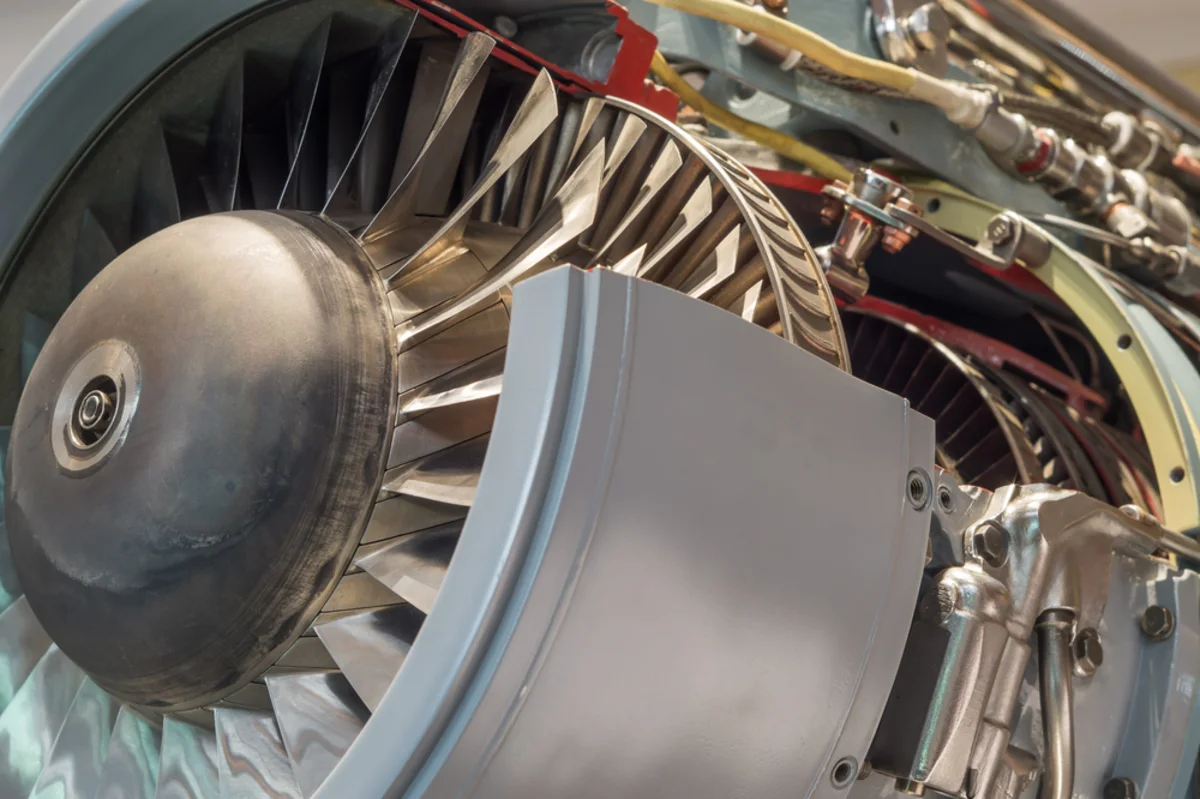
GE Aerospace (NYSE:GE) is making its largest acquisition since becoming a standalone publicly traded company. It agreed to acquire Consolidated Precision Products (CPP) for around $12 billion.
CPP is one of the world’s largest precision castings providers. It’s a major GE supplier. Precision castings is a major pressure point for the aerospace engines industry. Acquiring CPP would give GE Aerospace greater control over a critical part of its engine supply chain.
And the deal could strengthen GE’s ability to meet demand already sitting in its backlog. But the investment case depends on whether additional production capacity generates enough free cash flow to justify the deal’s premium price.
rommma/Shutterstock.com
Why GE Aerospace Is Buying CPP
Engine manufacturers like GE Aerospace (NYSE:GE) are struggling to keep pace with surging demand due to supply chain constraints. CPP is a major supplier of precision castings for GE’s LEAP and GEnx engines. GE plans to raise CPP’s output. It would do that by improving factory yields and machine use. With the CPP deal, GE also sees a path to accelerate production of new engine technologies.
The timing is important as GE already has substantial demand to fulfill. The company reported a backlog of more than $210 billion in the latest quarter. That backlog includes over $170 billion in commercial services. About 70% of CPP’s revenue comes from commercial and defense engines. That makes the acquisition closely aligned with GE Aerospace’s core markets. GE expects CPP to generate around $2 billion in revenue in 2027.
The Acquisition Must Translate Capacity Into Cash Flow
The strategic rationale of the CPP acquisition does not automatically make the deal financially attractive. Consider that GE values CPP at about 26 times expected 2027 EBITDA before net synergies.
GE Aerospace (NYSE:GE) will fund the acquisition with a mix of cash on hand and debt. The company expects the acquisition to be accretive to adjusted earnings and free cash flow in the first year, excluding certain items.
GE needs higher factory yields and greater production efficiency to translate the acquisition into stronger financial results. If CPP helps GE produce more engines from the existing demand pipeline, the benefits could extend beyond initial engine sales to an expanded installed base that in turn supports recurring aftermarket business.
The strongest bear case is therefore not that GE lacks demand. It is that CPP fails to remove enough of the production constraint to justify the premium GE is paying for it. Integration problems, additional capital requirements, and slower productivity improvements could leave GE carrying more debt without generating sufficient cash flow.