Home Blog Page 237

Ledger wants AI agents to manage crypto without holding your keys

0
The startup killer: Ledger CTO says the EU's crushing compliance costs are choking Web3 innovation

Ledger said is bringing its hardware security model to the fast-growing world of AI agents with the launch of Ledger Agent Stack, an open-source toolkit that allows autonomous software to interact with crypto wallets without ever controlling private keys.

The toolkit lets AI agents read wallet balances, analyze portfolios, prepare transactions and propose payments, but requires every sensitive action to be explicitly approved on a Ledger hardware device before it can be executed.

This is the first product release under Ledger’s 2026 AI roadmap, as the hardware wallet maker bets that human oversight will become a critical security layer as AI agents take on increasingly complex financial tasks.

“Agents propose. Humans approve,” the team wrote in their press release shared with CoinDesk. “Crypto wallets have protected billions on this standard for years,” said Ian Rogers, Ledger’s chief human agency officer, in the press release. “Ledger Agent Stack allows your agent to use these wallets just as easily as humans.”


Source link

Atlas Energy Solutions vs. California Resources: Which U.S. Energy Stock Is a Better Buy in 2026?

0
Atlas Energy Solutions vs. California Resources: Which U.S. Energy Stock Is a Better Buy in 2026?


Should investors prioritize the technological logistics of the Permian Basin or the carbon capture pivot in California? Choosing between Atlas Energy Solutions (NYSE:AESI) and California Resources (NYSE:CRC) requires weighing two very different energy strategies.

Atlas Energy Solutions focuses on sand and logistics for oil producers in West Texas, aiming for efficiency through scale. California Resources produces oil and gas while building a carbon sequestration business to navigate California’s strict regulations. Comparing them helps you decide if you prefer an infrastructure play or a resource producer transitioning into carbon management.

The case for Atlas Energy Solutions

Atlas Energy Solutions provides proppant and logistics for producers in the Permian Basin of West Texas and New Mexico. The company serves major exploration and production operators, with a high concentration: the ten largest customers generate approximately 82% of total revenue. Customer concentration like this adds a layer of risk to the business since the power segment depends on just two customers for over 30% of its revenue.

In FY 2025, revenue reached nearly $1.1 billion, representing 3.7% growth over the previous year. Despite the steady sales, the company reported a net loss of roughly $50.3 million for the fiscal period, almost a $110 million swing from profits in 2024. This performance marks a shift from earlier years when the company maintained positive net income and higher profitability across its operations.

As of its December 2025 balance sheet, the debt-to-equity ratio is nearly 0.5x. This ratio compares total debt to shareholder equity to show financial leverage. Free cash flow was negative at nearly $31 million, and note that stock-based compensation (SBC) represented roughly 28% of operating cash flow, which inflates reported cash generation since SBC is a non-cash expense added back in the cash flow statement.

The case for California Resources

California Resources operates as an independent producer focused on the unique energy landscape of California. The company markets crude oil and natural gas to the six remaining major refineries in the state, including sites owned by Phillips 66 (NYSE:PSX) and Valero (NYSE:VLO). While it faces logistics challenges from pipeline suspensions, the company is also expanding into carbon management, a field often discussed alongside renewable energy stocks because of its role in decarbonization.

For FY 2025, revenue was nearly $3.7 billion, which was an increase of roughly 15% from the previous year. The company reported net income of $359 million. While revenue grew, the net margin contracted about 3% from the prior fiscal period.

In its December 2025 balance sheet, the debt-to-equity ratio was roughly 0.4x, calculated by dividing total debt by shareholder equity. The company generated a strong positive free cash flow of $543 million, representing cash from operations after capital expenditures are paid.

Risk profile comparison

Atlas Energy Solutions faces risks from cyclicality and demand volatility, as proppant demand is directly tied to oil and natural gas activity levels. The power segment is vulnerable because it relies on a single key supplier for unique equipment, meaning any delivery delays could disrupt operations. Furthermore, the company is investing heavily in autonomous trucking and AI software, which carry technical implementation risks and potential cybersecurity threats.

California Resources operates under a strict regulatory and political environment in California that creates significant permitting risks. Its carbon management division, Carbon TerraVault, depends on federal and state tax incentives that could change with new legislation. The company also faces geographic concentration risks from wildfires and earthquakes, and it must successfully integrate assets from its merger with Berry Corporation to achieve planned financial synergies.

Valuation comparison

California Resources currently trades at a significantly lower multiple of future earnings estimates compared to Atlas Energy Solutions, suggesting a more conservative valuation for the producer.

Sector benchmark uses the SPDR XLE sector ETF.
Valuation metrics sourced from Financial Modeling Prep (FMP) and may differ from other data providers.

Which stock would I buy in 2026?

California Resources and Atlas Energy Solutions both are in the U.S. oil and gas business, but they are quite different companies for investors to evaluate.

Atlas Energy Solutions is a supplier to domestic wildcatters, selling localized generators that utilize wellhead gas that would otherwise be wasted, sand (proppant) for oil and gas fracking, and logistics solutions for producers. It’s a slow-growing business, with revenue expected to grow about 2.5% in fiscal 2026 to $1.2 billion, accompanied by a wider net loss of $95 million, according to analyst projections. Wall Street expects cost savings and steadily rising revenue in subsequent years to put Atlas back into profitability, although longer-term projections are inherently more speculative.

As a producer on the West Coast, California Resources essentially operates in a distinct market from the rest of the country. The Pacific states’ oil and gas supplies are priced in a market focused on Asian oil flows, since the West Coast is effectively cut off from eastern U.S. oil and gas supplies due to the cost of transporting fuel over the Rockies. That means California Resources’ production is priced off the Brent oil market, which is traded in dollars in London and largely serves as the pricing basis for Asia-bound crude oil. That should benefit CRC more, given the Iran war’s effect on Brent prices, but the outlook for the company’s 2026 is weaker due to difficulties obtaining permits to expand production. Management says it is improving, so 2027 should be a return to growth and profitability, but for this year, lower sales of $3.4 billion and a swing to a net loss seem likely.

Still, while Atlas Energy Solutions is a slow but steady grower, oil and gas is a commodity business, and a stock’s P/S and forward P/E ratio should play a larger influence in the decision to buy. Given that California Resources Corp is much cheaper on those ratios than Atlas, go with CRC.

Should you buy stock in Atlas Energy Solutions right now?

Before you buy stock in Atlas Energy Solutions, consider this:

The Motley Fool Stock Advisor analyst team just identified what they believe are the 10 best stocks for investors to buy now… and Atlas Energy Solutions wasn’t one of them. The 10 stocks that made the cut could produce monster returns in the coming years.

Consider when Netflix made this list on December 17, 2004… if you invested $1,000 at the time of our recommendation, you’d have $397,351!* Or when Nvidia made this list on April 15, 2005… if you invested $1,000 at the time of our recommendation, you’d have $1,304,257!*

Now, it’s worth noting Stock Advisor’s total average return is 937% — a market-crushing outperformance compared to 211% for the S&P 500. Don’t miss the latest top 10 list, available with Stock Advisor, and join an investing community built by individual investors for individual investors.

See the 10 stocks »

*Stock Advisor returns as of July 16, 2026.

Brendan Coffey has no position in any of the stocks mentioned. The Motley Fool recommends Phillips 66. The Motley Fool has a disclosure policy.

Atlas Energy Solutions vs. California Resources: Which U.S. Energy Stock Is a Better Buy in 2026? was originally published by The Motley Fool


Source link

Top 11 NFT games to play in July 2026

0
Top 11 NFT games to play in July 2026


NFT games are Non-fungible token games that use them as a core part of the game ecosystem. Every unique NFT gives users complete ownership over their in-game assets and items, not just in the game but also outside it.

In traditional games, players don’t usually own their in-game items, currencies or achievements, as they exist over a centralized server controlled by game publishers/developers/companies, and they can be taken away at any moment and cannot be used outside the game. With NFTs, players get sovereign ownership over their digital assets in the same way that one can own physical items. Players get to own, build, and trade however they want.

Here are the top 11 NFT games to play in July 2026:

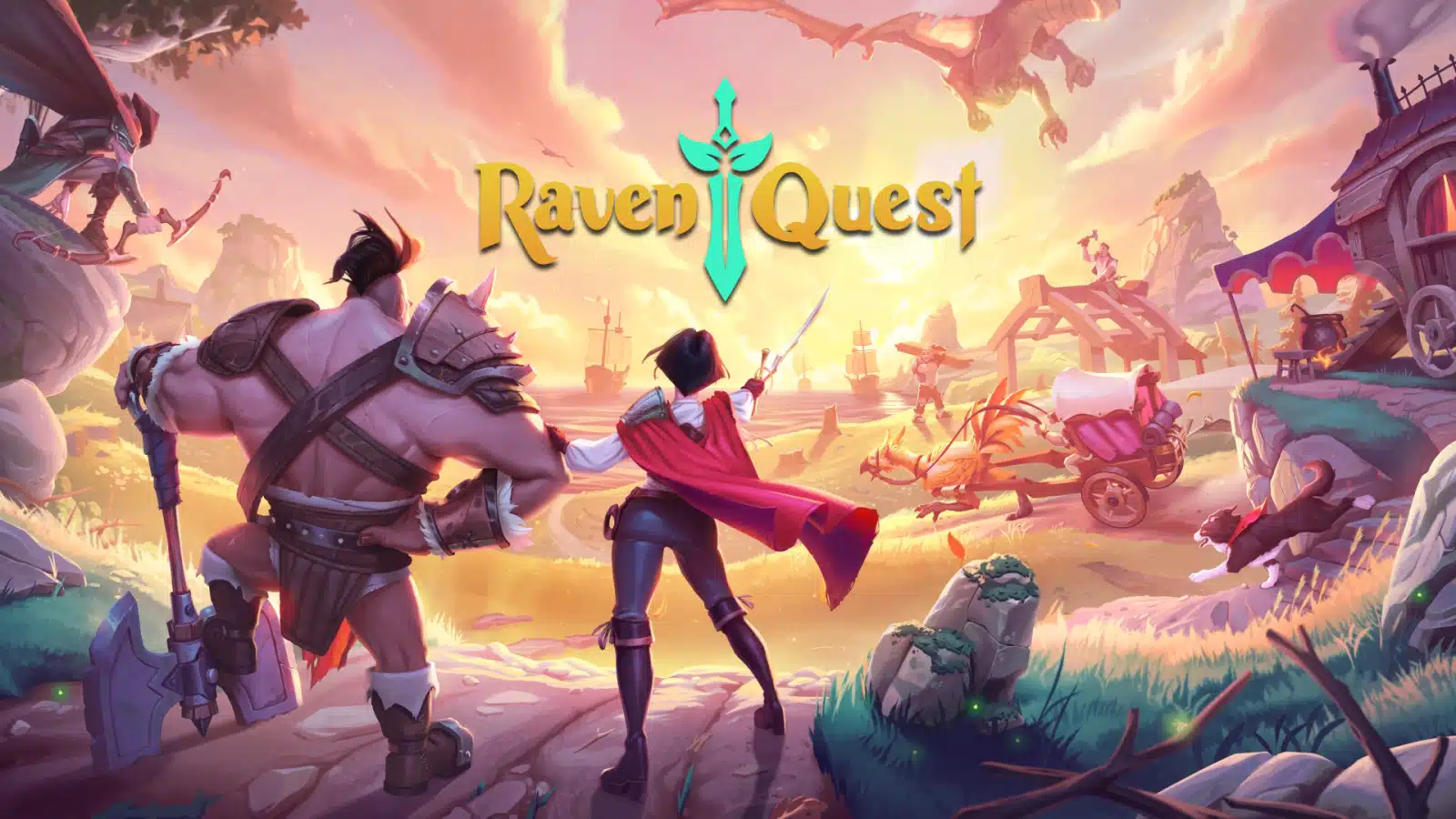
1. RavenQuest 

RavenQuest is a free-to-play MMORPG retro-style game where players can experience a dynamic, player-driven ecosystem. It is an open-world progression offering full ownership of in-game assets. The game includes action-packed combat, crafting, farming, housing, and guild wars.

It has PvP mechanics, and NFTs are used in the form of houses; landowners get to build houses on their lands and can customize their house design and variations. Players can also get RavenCards that are collectibles.

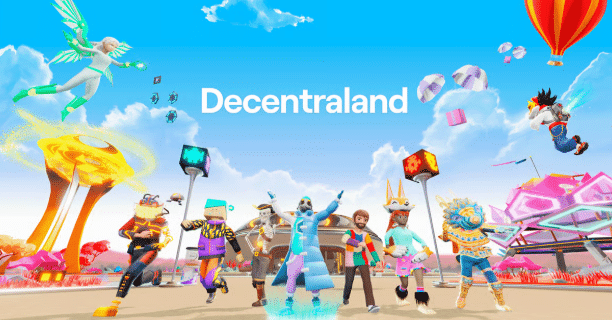
2. Decentraland

Decentraland is a user-owned virtual world built on the Ethereum blockchain and works as an immersive platform that lets users socialize, play games, attend events, and buy digital real estate. It also functions as a marketplace and a virtual community center where users can buy and sell digital real estate.

Players can socialize, play games, exchange collectibles, and catch music artists in concert, and also build virtual stores, art galleries, and game arenas. The game is built on Ethereum and revolves around digital land ownership, with each piece of it existing as an NFT. MANA is the native token that facilitates in-game purchases, trade, and governance.

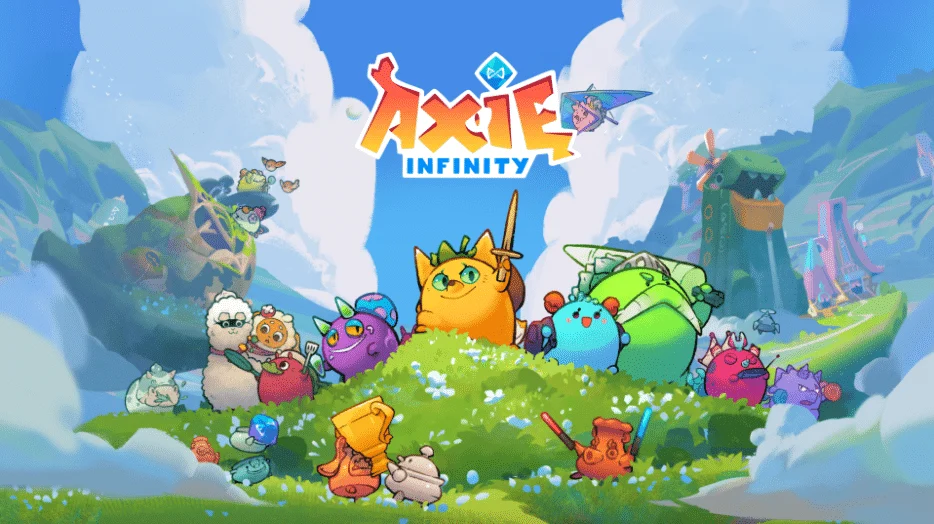
3. Axie Infinity

One of the first blockchain games, Axie Infinity paved the way for other play-to-earn games in the space. It revolves around collecting, breeding, and battling fantasy creatures called Axies, each of which exists as an NFT. The gameplay itself is fairly simple and strategy-focused. Axie also has a strong user community and gives players a chance to have experiences and compete with each other using complex strategy and tactics to get the top rankings or be rewarded.

The game is built on Ethereum and Sky Mavis’ Ronin network, while the ecosystem runs on 2 tokens: AXS and SLP. Players get to compete with each other using complex strategies and tactics to get the highest ranks or be rewarded with resources; they can also complete quests, defeat bosses, and unlock in-depth storylines.

4. Pixels

Pixels is a free-to-play game built on the Ronin network. Users get to collect, breed, and manage their game avatars known as Pixelmons. Players can also farm, build structures, craft, and take part in battles all while customizing their land and assets for style and utility. Players can craft items, manage farms, and trade goods and assets with the in-game token $PIXEL.

Players can monetize their progress by selling crafted goods, rare discoveries, and agricultural products on the marketplace, and players who own land get to earn a passive income through farming, leasing, and production. It mixes the loops of relaxing farming and resource gathering with a deep, player-driven economy.

5. Gods Unchained

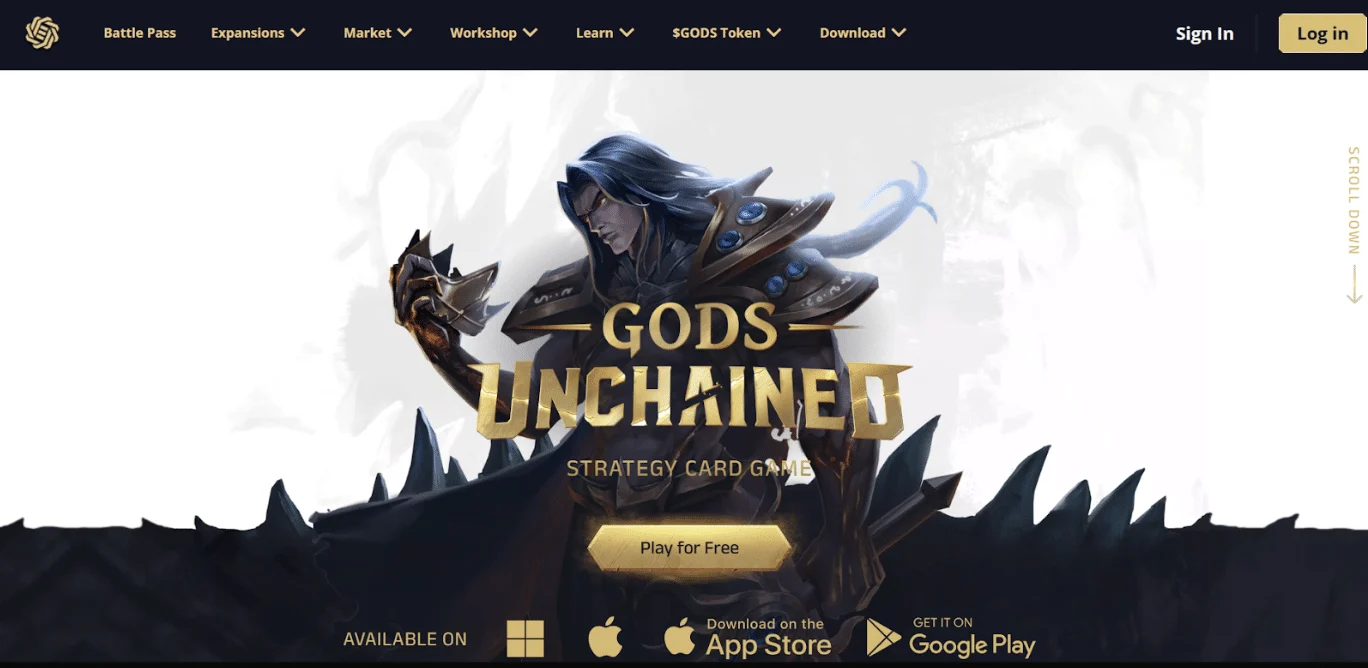
A free-to-play strategy card game, Gods Unchained gives players a chance to master 6 domains and over 1800 cards and navigate various game modes. It is a trading card game (TCG) where users can build their own decks, use spells, creatures, and relics to defeat their opponents. Every card exists as an NFT, and players own the cards they collect and can trade or sell them.

The game is built on Ethereum and is supported by Immutable X and avoids high transaction fees while keeping the ownership intact. There are 4 modes in the game, namely Tutorial, Solo, Ranked, and Direct Challenge. The game also has a strong and complex ranking system that keeps the players wanting more and chasing their next rank.

6. My DeFi Pet

A pet-themed blockchain game combining elements of digital pet collection, breeding, and battling along with DeFi mechanics. Each pet has its own unique traits and appearances and can be trained, enhanced, and used in battle against others in turn-based matches.

The basics of the game are user-friendly, but in order to earn any substantial rewards, deeper user involvement is required. This includes breeding high-value pets or mastering battle strategies. DPET is the native token of the platform and requires participation in events.

7. Alien Worlds

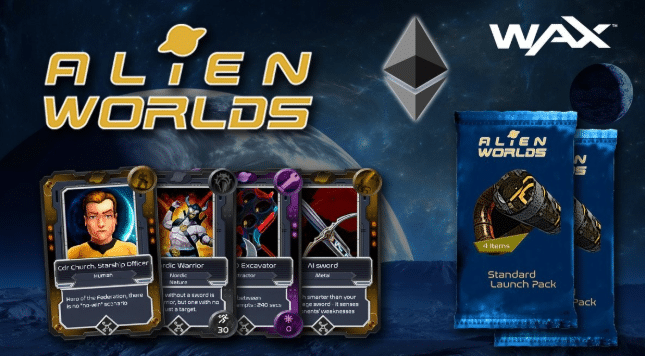
Alien Worlds is a fast-paced free-to-play game that simulates the Earth’s economy using the Trilium game token or TLM. Players are called ‘explorers’ and compete with each other for the TLM. The game is designed as a decentralized metaverse where players directly influence the economy and narrative.

The game heavily relies on the community-owned sci-fi metaverse combining NFT gaming, decentralized governance, and cross-chain DeFi into a single and interactive universe. A major part of the gameplay revolves around managing resources and choosing where to mine. There is also PvP combat, spaceship missions and community-built mini-games.

8. The Sandbox 

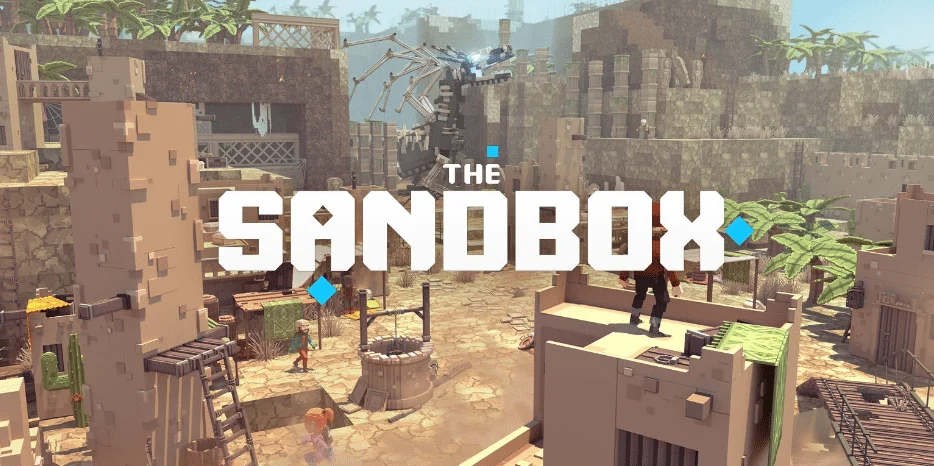
Sandbox is a blockchain-based metaverse that gives users a chance to build, own and monetize gaming experiences. It has a strong focus on player ownership and operates like a virtual world that lets users buy LAND NFTs and build experiences on them. Users can choose to either approach it like a digital real estate or monetize experiences they build on it.

This creator-focused approach gives users a chance to customize and use tools like VoxEdit and Game Maker to design their own assets, and mini-games without needing any advanced development skills. The SAND token also powers the marketplace transactions, staking and governance features.

9. Wreck League

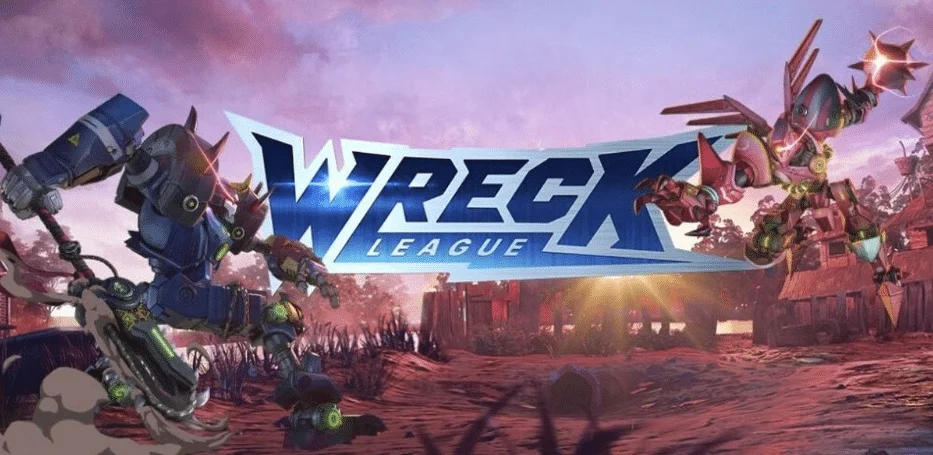
Wreck League is a fighting game that is built as a fast-paced mech battle game letting players create fighters using different NFT mech parts where each piece affects the combat stats and abilities. This type of customization gives it a strategic feel and makes the gaming experience more immersive.

The game has a Web2 and Web3 hybrid model that lets players build, trade and battle their fighters. There are daily missions, battle passes, and skill-focused gameplay that bring it closer to a traditional multiplayer game than majority of NFT games in the space.

10. Undeads Game

Undeads Games offers a mix of feature-rich gameplay along with engaging game designs that are carefully crafted. Players get to embark on an adventurous journey through the world of Undeads and find weapons, armor, supplies, and medicine. They can sell their loots, fight battles and survive or hunt survivors, all against the backdrop of the zombie apocalypse set in 2035.

Players can choose to either be human or zombies at the start of a match and by the end of the match they are ranked and rewarded with in-game currency. Points can be earned by performing in-game activities like dealing damage, killing NPCs and defeating other players. All characters, assets, weapons and land plots are tradable assets in the game. There is a free-to-play mercenary mode that lets players explore the game without having to buy any NFTs. The game uses a dual-token system with UDS and UGOLD providing multiple utilities.

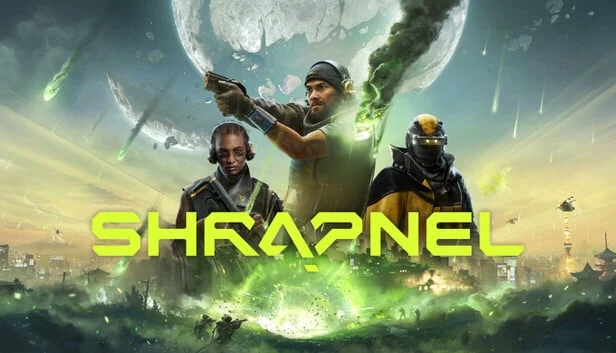
11. Shrapnel

A first-person shooter game set in 2043, Shrapnel is set in a lunar-impacted area called the Sacrifice Zone. Players act as elite Operators who enter the zone with their squad and battle rival squads for control while racing to locate Sigma- a resource obtained from meteorites. The more sigma the team collects, the stronger their individual and squad abilities become.

The game is fast-paced with weapons, gear, and cosmetic items being a major part of the experience. These weapons and gears exist as NFTs in the game and players can choose to trade or sell the items they own through external marketplaces.

Final conclusion

NFT games give developers a chance to create and test out new gaming formats, experiences and push the limits of ownership and progression. New games that come up put in more effort into the gameplay, community, and long-term worlds using blockchain systems as their core.

While these games are a great opportunity to play and experience new ideas, users need to take out the time to understand and see how they work before committing to any of them.


Disclaimer. Readers are encouraged to do their own research. Ambcrypto is not liable for any outcomes related to the use of information, products, or services mentioned. This content may include affiliate or partner links.


Source link

Bitcoin options’ most popular call has slipped lower by $10,000: Crypto Daily

0
Bitcoin options' most popular call has slipped lower by $10,000: Crypto Daily

The implication does not stop there. According to Imran Lakha, founder of Options Insights, dealers hold a “net long gamma exposure” above $70,000. It means the dealers, who strive to maintain market-neutral exposure while making money from the bid-ask spread, would short or sell into strength above 70,000 to stay neutral or hedged.

“That hedging acts like a brake, capping how fast BTC can run once it gets up there,” Lakha said, adding that ether (ETH) isn’t as exposed to dealer gamma dynamics and can rip much faster.

Bitcoin was recently changung hands near $64,100, down nearly 1% since midnight UTC. Other major cryptocurrencies, including ether, XRP (XRP) and solana (SOL) nursed similar losses, while Nasdaq 100 index futures fell 0.5%.

“As always, there is a risk of a sudden sell-off amid financial market shocks, which could send BTC or global stock indices into a tailspin, but waiting for such moments is a thankless task,” said Alex Kuptsikevich, the chief market analyst at FxPro. “In such conditions, buying in a quiet market at less than half of peak levels looks like a perfectly reasonable tactic for the coming days or weeks.”

Stay alert!

Read more: For analysis of today’s activity in altcoins and derivatives, see Crypto Markets Today . For a comprehensive list of events this week, see CoinDesk’s “Crypto Week Ahead.”


Source link

Stripe, Advent offer to buy PayPal for more than $53 billion, sources say

0
Stripe, Advent offer to buy PayPal for more than $53 billion, sources say


By Milana Vinn

July 14 – Stripe and private equity firm Advent International have made a joint offer to acquire PayPal Holdings Inc for $60.50 per share, in a deal that would value the payments company at more than $53 billion, two people familiar with the matter said.

The offer, submitted earlier this month, is backed by about $50 billion in committed financing from banks, said one of them. ‌The offer represents around a 28% premium to PayPal’s closing share price on Tuesday.

The sources declined to be named as the deal discussions are confidential. PayPal, Stripe and Advent declined to comment. Reuters ‌first reported the news late on Tuesday.

Combining Stripe and PayPal, the most widely used payment platforms for internet merchants, would create one of the world’s largest global online payments company, processing some $3.7 trillion of annual payment volume.

The proposal follows an initial approach made in early April, the sources ​said. Stripe and Advent have not received a response from PayPal and are seeking to advance discussions in the coming weeks, the sources said.

Under the proposal, Stripe and Advent would jointly own PayPal, with each holding an equal stake, rather than breaking up the company, the people said, adding that there is no certainty the approach will result in a transaction.

PayPal shares were last up nearly 17%.

Founded in the late 1990s, PayPal was an early player in digital payments, but has faced competition as consumers have embraced alternative payment methods and rivals such as Apple Pay and Google Pay have gained market share.

It has spent the past several years grappling with slowing growth and intensifying competition in digital payments, wiping out much ‌of the value it gained during the pandemic.

The company’s market capitalization peaked at about $360 ⁠billion in 2021 and fell to as low as roughly $36 billion this year. It has lost more than 40% of its market value over the past 12 months.

After taking over in March, PayPal CEO Enrique Lores started a sweeping turnaround exercise to simplify the payments provider and sharpen its focus on growth.

In April, the company split its operations into ⁠three units covering checkout, consumer financial services Venmo, and payments and crypto, while making a series of management changes.

Despite the valuation premium, William Blair analyst Andrew Jeffrey said, “We do not think PayPal’s new CEO will likely embrace what could be viewed as a low-ball offer. If the current offer is an opening salvo, we could see Stripe and Advent go as high at $70 per share.”


Source link

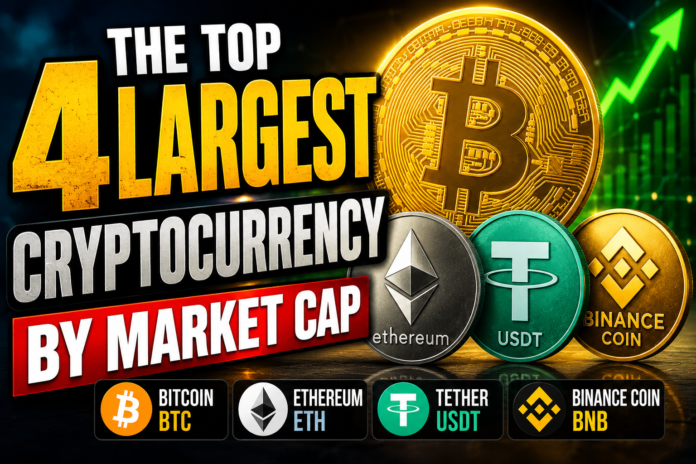
The 10 Biggest Cryptocurrencies in the World (2026): Hidden Facts, Market Dominance & What Most Investors Never Notice

0
The 10 Biggest Cryptocurrencies in the World (2026)

Cryptocurrency has evolved from a niche technology into a multi-trillion-dollar financial ecosystem that is reshaping global finance. While thousands of digital assets exist today, only a handful control the majority of the industry’s value, liquidity, developer activity, and institutional investment.

But here’s what most articles won’t tell you:

Market capitalization alone does not determine whether a cryptocurrency is the best investment.

Many coins have temporarily reached the top 10 during bull markets only to disappear years later. Others have maintained dominance because they continue attracting developers, businesses, institutions, and real-world users.

This guide goes beyond rankings. You’ll discover the hidden strengths, weaknesses, and future potential of the world’s largest cryptocurrencies that many investors overlook.


What Is Cryptocurrency Market Capitalization?

Market capitalization (Market Cap) is calculated using a simple formula:

Market Cap = Current Price × Circulating Supply

For example:

  • Coin Price: $100
  • Coins in Circulation: 10 million

Market Cap = $1 Billion

However…

Experienced investors know that market cap tells only part of the story.

Before investing, professionals also examine:

  • Daily trading volume
  • Liquidity
  • Number of active wallet addresses
  • Developer activity
  • Security of the blockchain
  • Token distribution
  • Institutional adoption
  • Real-world use cases
  • Regulatory outlook

These factors often determine whether a cryptocurrency survives for decades—or disappears completely.


Why the Largest Cryptocurrencies Stay on Top

The biggest cryptocurrencies don’t dominate simply because of price.

They stay at the top because they benefit from powerful network effects.

As more people own a cryptocurrency:

  • More businesses begin accepting it.
  • More developers build applications on it.
  • More investors trust it.
  • More exchanges list it.
  • More financial institutions support it.

This creates a cycle that’s extremely difficult for smaller projects to compete against.


1. Bitcoin (BTC)

The Digital Gold of the Internet

Bitcoin remains the undisputed leader of the cryptocurrency market.

Created in 2009 by the mysterious Satoshi Nakamoto, Bitcoin introduced the world to decentralized digital money that operates without banks or governments.

Today, Bitcoin is viewed by many institutions as a hedge against inflation, similar to gold.

Why Bitcoin Dominates

  • First cryptocurrency ever created
  • Largest and most secure blockchain network
  • Limited supply of only 21 million coins
  • Adopted by public companies, hedge funds, ETFs, and governments
  • Most recognized cryptocurrency worldwide

Hidden Advantage Most Investors Ignore

Bitcoin has never changed its monetary policy.

Unlike many cryptocurrencies that can increase supply or change token economics, Bitcoin’s scarcity is permanently built into its code.

This predictable supply is one reason many analysts call Bitcoin “Digital Gold.”


2. Ethereum (ETH)

The World’s Largest Smart Contract Platform

Ethereum revolutionized cryptocurrency by introducing programmable blockchain technology.

Instead of simply sending money, developers can build:

  • Decentralized Apps (dApps)
  • NFT marketplaces
  • Lending platforms
  • Gaming ecosystems
  • Artificial Intelligence integrations
  • Tokenized real-world assets

Thousands of blockchain projects rely on Ethereum infrastructure.

Hidden Fact

Every major blockchain ecosystem today has borrowed ideas originally introduced by Ethereum.

Its influence extends far beyond its own network.


3. Tether (USDT)

The Stablecoin That Powers Crypto Trading

Unlike Bitcoin, Tether is designed to remain close to $1 USD.

Its main purpose isn’t investment.

It’s the financial bridge connecting global cryptocurrency markets.

Billions of dollars move through USDT every single day.

Why Traders Love Tether

  • Fast settlement
  • Lower volatility
  • High liquidity
  • Widely accepted on exchanges
  • Easy transfer between trading platforms

Hidden Insight

Many crypto investors never actually convert back to traditional bank accounts.

Instead, they move profits into USDT while waiting for the next investment opportunity.


4. XRP (XRP)

Built for Global Payments

XRP focuses on solving one of banking’s oldest problems:

Cross-border payments.

Traditional international bank transfers can take several days.

XRP transactions often settle within seconds while costing only fractions of a cent.

Strengths

  • Extremely fast transactions
  • Very low transaction fees
  • High scalability
  • Strong partnerships within financial technology

Hidden Advantage

Unlike proof-of-work cryptocurrencies, XRP consumes very little electricity, making it one of the most energy-efficient major blockchain networks.


5. BNB (BNB)

The Utility Token Behind a Massive Ecosystem

BNB began as a simple exchange token.

Today it powers one of the largest blockchain ecosystems in crypto.

Users benefit from:

  • Reduced trading fees
  • DeFi applications
  • NFT platforms
  • Blockchain games
  • Smart contracts

Its value comes from the size of its growing ecosystem rather than speculation alone.


6. Solana (SOL)

Built for Speed

Solana was created to solve blockchain scalability.

Its network can process thousands of transactions per second while maintaining relatively low fees.

Because of this, many developers choose Solana for:

  • Gaming
  • NFTs
  • Consumer apps
  • Payment systems

Interesting Fact

Several high-performance blockchain applications would simply be too expensive to operate on slower networks.


7. USDC (USD Coin)

The Institutional Stablecoin

USDC is another dollar-backed stablecoin trusted by many businesses and financial institutions.

Its transparency and regulatory approach have helped increase institutional adoption.

Businesses frequently use USDC for:

  • Payroll
  • International settlements
  • Treasury management
  • Digital commerce

8. Dogecoin (DOGE)

The Meme Coin That Became a Global Brand

Originally created as a joke, Dogecoin became one of the most recognizable cryptocurrencies in history.

Its strong online community helped transform it into a serious digital asset.

Hidden Lesson

Dogecoin proved that community support can sometimes become just as valuable as technology.


9. Cardano (ADA)

Research Before Innovation

Cardano takes a different approach.

Every major update undergoes peer-reviewed academic research before implementation.

Supporters believe this slower development creates a more secure blockchain over the long term.


10. Tron (TRX)

Quietly Powering Billions in Stablecoin Transfers

Although Tron receives less media attention than Bitcoin or Ethereum, it processes an enormous volume of USDT transactions every day.

Its low fees have made it particularly popular for international transfers.

Many users don’t even realize they’re using the Tron blockchain when sending stablecoins.


The Hidden Metrics Smart Investors Watch

Professional investors rarely rely on market cap alone.

Instead, they analyze:

  • Daily active users
  • Wallet growth
  • Developer activity
  • Network security
  • Institutional ownership
  • Transaction fees
  • Blockchain revenue
  • Token burns
  • Inflation rate
  • Supply concentration

These indicators often reveal whether a cryptocurrency has genuine long-term value.


Biggest Risks Investors Should Know

Even the world’s largest cryptocurrencies carry significant risks.

These include:

  • Government regulations
  • Cybersecurity threats
  • Exchange failures
  • Market volatility
  • Smart contract exploits
  • Macroeconomic conditions
  • Technological competition

Diversification remains one of the most effective ways to manage cryptocurrency risk.


Which Cryptocurrency Could Dominate the Next Decade?

While Bitcoin remains the largest cryptocurrency by market capitalization, the competition beneath it continues to evolve rapidly.

Ethereum continues expanding decentralized finance.

Stablecoins are becoming essential infrastructure for global payments.

High-speed blockchains compete for developers.

Artificial intelligence, tokenized real-world assets, and blockchain interoperability are creating entirely new opportunities that didn’t exist just a few years ago.

Rather than chasing hype, successful investors focus on projects with strong technology, growing adoption, active development, and sustainable ecosystems.


Final Thoughts

The cryptocurrency market changes faster than almost any other financial sector.

Rankings may shift, but the qualities that define long-term winners remain remarkably consistent:

  • Strong security
  • Real-world utility
  • Active development
  • Large user communities
  • Institutional confidence
  • Sustainable token economics

Understanding these fundamentals is far more valuable than simply knowing which cryptocurrency currently ranks number one.

As blockchain technology continues expanding into finance, gaming, artificial intelligence, supply chains, and global commerce, today’s leading cryptocurrencies may become the foundation of tomorrow’s digital economy.


Frequently Asked Questions

Which cryptocurrency has the largest market capitalization?

Bitcoin continues to hold the largest market capitalization and remains the most widely recognized cryptocurrency in the world.

Is market capitalization more important than price?

Yes. A coin’s price alone can be misleading because it doesn’t account for the number of coins in circulation. Market capitalization provides a more meaningful measure of a cryptocurrency’s overall size.

Are stablecoins good investments?

Stablecoins such as USDT and USDC are designed to maintain a stable value rather than appreciate in price. They are commonly used for trading, payments, and preserving value within the crypto ecosystem.

Can a smaller cryptocurrency overtake Bitcoin?

While rankings can change over time, Bitcoin benefits from strong network effects, widespread adoption, and a fixed supply, making it difficult for other cryptocurrencies to surpass its long-term dominance.

How often do cryptocurrency rankings change?

Market capitalization rankings can change daily due to price fluctuations, new token launches, and shifts in investor demand.


References

  1. CoinMarketCap – Top Cryptocurrencies by Market Capitalization – Live cryptocurrency rankings, market capitalization, trading volume, and circulating supply.
  2. CoinMarketCap – Market Capitalization Methodology – Explains how cryptocurrency market capitalization is calculated.
  3. Bitcoin Official Website
  4. Ethereum Official Website
  5. Tether Official Website
  6. BNB Chain Official Website
  7. XRP Ledger Official Website
  8. Solana Official Website
  9. USD Coin (USDC) Official Website
  10. Cardano Official Website
  11. Dogecoin Official Website
  12. TRON Official Website
  13. CoinGecko – Cryptocurrency Rankings
  14. Blockchain.com Explorer – Blockchain explorer and network statistics.
  15. Binance Academy – Blockchain & Cryptocurrency Guides

Academic References

  • Song, H., Wei, Y., Qu, Z., & Wang, W. (2024). Unveiling Decentralization: A Comprehensive Review of Technologies, Comparison, Challenges in Bitcoin, Ethereum, and Solana Blockchain.
  • Gencer, A. E., Basu, S., Eyal, I., van Renesse, R., & Sirer, E. G. (2018). Decentralization in Bitcoin and Ethereum Networks.


ETH news: Ethereum outruns bitcoin as ETF money returns, almost all of it from BlackRock’s fund

0
Why the Ethereum Foundation is suddenly again at the center of crypto’s culture war

Bitcoin’s funds are still lurching, however. U.S. spot bitcoin ETFs shed $424 million on July 13, then took back $181 million the next day. Money leaving and returning inside 48 hours is not indicative of an allocator building a position.

As such, the ether bid is narrower. Of the $53.8 million that came in on Wednesday, BlackRock’s ETHA absorbed $45.3 million and its smaller ETHB fund took $4 million, leaving the other eight products to split less than $5 million between them.

Grayscale’s original ether trust, which charges 2.5% against BlackRock’s 0.25%, has now bled $5.3 billion since launch.

Ether also picked up a demand source that did not exist three weeks ago. Robinhood Chain, the layer-2 network the brokerage switched on July 1, pays gas in ether and settles to Ethereum, and it has been clearing more than $800 million in daily decentralized exchange volume, most of it memecoin trading.

Bitcoin is steadier than its ETF flows suggest, however. Nansen data shows exchange outflows holding through the escalation in the Middle East, with no meaningful rotation into stablecoins, the move that usually marks wallets stepping back.

Funding rates are near zero, which is suggestive of the overleveraged longs that fuelled June’s liquidation cascades have already been cleared out. Bitcoin dominance is 58.3%.


Source link