Home Blog Page 61

New Jersey’s regulated iGaming market shows: How digital finance is reshaping online entertainment

0
New Jersey's regulated iGaming market shows: How digital finance is reshaping online entertainment


New Jersey was the driving force behind the opening up of the US gambling market, particularly in the online sector. Its gambling laws are now amongst the least restrictive anywhere in the country, and it was one of the very first states to legalize online casino gambling in the country, having been pipped to the post by Delaware. It rapidly became the country’s largest online casino market, but Pennsylvania overtook it in 2025.

However, New Jersey remains pivotal in online casino development, and with Atlantic City known as the “Vegas of the East Coast”, what happens here is pivotal to the industry as a whole. While online casino gaming for real money is still only legal in a handful of US states, many look to New Jersey and the success of its market for inspiration when constructing arguments in favor of relaxing restrictions.

Pragmatism pays off

New Jersey took a very pragmatic approach to all forms of gambling, accepting that people do it, and therefore it makes sense that they do so safely and securely. In addition, it made sense for tax revenues to flow into state coffers rather than just to offshore operators’ bottom lines. In January alone, the state collected $97.1 million from commercial gaming, of which $57.4 million came from iGaming. 

Internet gambling is incredibly important to the state, and sitting right at the heart of the modern gaming ecosystems are payment systems and fintech in particular. Without seamless, fast, digital payments, there would be no online gambling platforms.  In the early days of the internet, security was not a primary concern. However, as businesses left behind their ‘wild west origin stories’, and the internet matured, rules and structure became essential. New Jersey’s regulated market has a strong focus on providing players with a secure gambling environment. 

Fintech for security

Fintech is the lynchpin, ensuring that your online casino bankroll is secure. The top-rated take their security and payment systems incredibly seriously. Independent, expert review sites like Casino.org expect the best New Jersey casinos to offer at least 10 payment methods, including standard ones like credit and debit cards, general eWallets like PayPal and Apple Pay, and industry-specific specialist partners to ensure accessibility, security, and seamless digital experiences.

However, crypto fans might be disappointed to discover that gambling transactions in the state have to be processed in US dollars through licensed, traceable banking channels. Crypto is not an approved payment method under NJ Division of Gaming Enforcement regulations, and therefore crypto casinos cannot legally operate in the state. It is not allowed because regulated gambling demands full identity verification, traceable payments, and predictable auditing to comply with anti-money laundering (AML) and know your customer (KYC) regulations. Therefore, before playing in a New Jersey online casino, crypto players will need to convert their Bitcoin, Ethereum, or any other currency into US dollars. 

Digital finance is entwined through fintech.

Fortunately, there are great fintech solutions embedded into the best online casino sites, so your identity and finances are kept safe while you play. Anyone concerned about the speed of payouts using fiat currencies is advised to verify their account right away when they sign up. While it may mean waiting for a few minutes before starting to play, it can save hours when you request a withdrawal.   Online casinos rely heavily on 

fintechdriven KYC, Open Banking, biometric verification, and riskscoring platforms to comply with regulatory requirements.

Fintech is not just about payments but is the fusion of technology and finance and everything in between. It encompasses the full gamut of digital tools that ensure money moves smoothly, identity is verified, and financial services operate. The technology applies to digital payments, data connections, fraud detection and risk-scoring, as well as cryptocurrency and blockchain tools. These components come together and interact behind the scenes in an ecosystem we just take for granted these days.

Power behind the scenes

In the world of the New Jersey online gaming scene, digital payments ensure money is moved quickly and securely, and KYC/AML tools prove you are who you say you are and prevent fraud. Open Banking links your bank account to apps like Apple Pay and PayPal, while risk analytics functions detect and flag suspicious behavior.

Fintech ensures that there is no waiting around and creates a safe, fast, and transparent environment where everything is traceable. Because online gambling is regulated at a state level in the US, geolocation services are also part of New Jersey’s compliance requirement. Online casinos are only allowed to offer services to residents within the state’s borders. In addition, age checks are carried out, as well as affordability checks. Without fintech, regulated gambling probably could not exist.

While most of us are vaguely aware of all this functionality, few of us understand the complexities of how these systems integrate. The ‘magic’ of fintech is that we do not have to, as it is all done for us, allowing the player to get on with what they came online to do – take part in online casino games.

Keeping smart

Online entertainment is easily accessible to anyone with a half-decent smartphone and a stable internet connection these days. Fintech is in the background at almost every moment, from using Face ID or other biometric login to liveness checks to prevent deepfakes. The last thing anyone wants is a clone of ourselves managing to access our data, bank or online accounts by someone else pretending to be us. You may not have heard of Onfido, LexisNexis and Yoti, but these are some of the companies powering the checks and keeping you safe.

Mainstream and essential

Digital finance might once have been considered a niche industry to enable internet shopping. Nothing could be further from the truth these days. It is the invisible infrastructure powering not only online casinos but a good deal of modern life.  Most people use these digital services on a more-than-daily basis. 

Fintech payment processors and risk-scoring systems sit at the heart of services like Uber, Amazon, and your favorite streaming services. New Jersey’s online gaming market is a great example of digital finance reshaping online entertainment, but look around, and you will realize it is everywhere.

Disclaimer: This is a paid post and should not be treated as news/advice.



Source link

Portfolio review takes on a new urgency for VCs as AI makes 2024’s great deals look like 2026’s clear mistakes

0
Portfolio review takes on a new urgency for VCs as AI makes 2024's great deals look like 2026's clear mistakes

In Ferris Bueller’s Day Off, Matthew Broderick famously winks straight into the camera: “Life moves pretty fast.”

Life does move fast, but AI might move even faster. I talk to VCs all day, and it recently occurred to me: Though venture capital’s meant to be the long game, AI is moving so quickly that it’s making deals that looked good in 2024, obsolete by 2026. 

“No doubt that AI is changing really fast, and it’s changing the half-life of a thesis,” said Eric Archer, cofounder of VC firm Monashees. 

So, I’ve been wondering: If you’re an investor right now, what does it even mean to do a responsible portfolio review? How many companies that looked great in 2023 or 2024 are now just toast?

“The two categories that have some amount of insulation are regulated license businesses and businesses with proprietary data that’s difficult to access,” said Kamran Ansari, founder and managing partner at Kapital Ventures, and venture partner at Infinity VC. “Absent those two things, everything else feels exposed.”

Portfolio review is the process in which an investor or firm sits down and assesses the health (or lack thereof) of all the companies they’ve backed. Any portfolio review, in this environment, is necessarily nuanced, said Lily Lyman, managing partner at Underscore VC. 

“Portfolio reviews right now aren’t just a question of ‘are you performing?’ or ‘are you not performing?’ Or ‘are you on track or off track?’” she told Fortune. “It’s more like: What track are you on, and what does that mean?”

Lyman says there are essentially four lanes for startups right now: the soaring AI consensus bets, efficient-growth companies, companies with paths to product‑market‑fit in tough industries, and the companies caught in the crosshairs by OpenAI and Anthropic.

“In that fourth bucket, the market’s shifted so much in terms of what’s possible with Claude or any of the models, that [the startup’s] fundamental value prop is no longer as valuable as originally thought,” said Lyman. “So, the question becomes: Do you have something that’s valuable? If so, is it people? Is it a product? Is it distribution? What do you lean into in order to try to recoup value?”

Of course, startups fail all of the time. It’s part of the model and the power law, VC’s golden rule, dictates that there only need to be a few home-run victors. But in the AI bubble, even the winners of a few months ago don’t always stick. Take Perplexity.

“Perplexity is one of those funny companies where it was so molten-lava-hot,” said Ansari. “I don’t think it’s that special anymore because Google caught up extraordinarily fast. Now, their AI-powered search is pretty good. So, why am I going to Perplexity? It’s harder to say.”

Zachary Aarons, cofounder at MetaProp, has been tracking the SaaSpocalypse, and for all software companies, there’s a common thread: You agentify or die. 

“The companies that figure out how to agentify their own platform are going to make it because there are certain mission-critical industries, like construction, where they don’t really want to be just screwing around with the foundation model products for everything,” said Aarons.

Ansari referenced an onstage conversation I had at Fortune Brainstorm Tech with private equity titan Robert F. Smith, who told the audience that a small (but real) portion of his software companies, amid AI-fueled changes, no longer have a right to exist. He gets at the key implicit question in all this: What’s normal venture mortality here, and what portion of startups are specifically falling prey to the AI bubble’s speed?

“In my portfolio, I’d say it’s 10–20% in addition [to normal venture dropoff] that sort of feel very vulnerable right now,” said Ansari. 

One early-stage VC, who spoke on the condition of anonymity, concurred that about 10% of their portfolio is specifically imperiled by foundation model shifts. 

Now, you may be a founder reading this, wondering: Am I in this category? If you are, Ansari had a relatively spicy suggestion: Just return investors’ cash and move on. 

“As an investor, I’d welcome more companies saying: ‘you know what, we’re 18 months in, we still have a bunch of the cash, it’s not going to work,’” he said. “‘Why don’t I return like 60, 70 cents of your money on the dollar, and when I have something new, I’ll come back to you to raise money again.’ …That, as an investor, leaves a better taste in your mouth than somebody taking the gas tank to zero and then sending you the inevitable email that says, ‘I tried everything I could. It didn’t work. It’s a zero.’”

For investors right now, it’s probably a good time to take stock, because everything will change again soon enough. And, as Ferris Bueller also says in that famous scene: “If you don’t stop and look around once in a while, you could miss it.”

See you tomorrow,

Allie Garfinkle
X:
@agarfinks
Email: alexandra.garfinkle@fortune.com

Submit a deal for the Term Sheet newsletter here.

Joey Abrams curated the deals section of today’s newsletter. Subscribe here.

VENTURE CAPITAL

Etched, a San Jose, Calif.-based developer of computing systems designed to run advanced AI models, raised $700 million in funding. Jane Street led the round and was joined by Kleiner Perkins, Sequoia, Andreessen Horowitz, Tiger Global, and others.

Rillet, a New York City, San Francisco, and Barcelona, Spain-based AI-powered accounting software for finance teams, raised $100 million in Series C funding. ICONIQ led the round and was joined by Sequoia and Andreessen Horowitz.

Rundoo, a Redwood City, Calif.-based software provider for building-supply stores, raised $30 million in Series B funding. Battery Ventures led the round and was joined by existing investors Bessemer Venture Partners and CRV.

Thunder Compute, a San Francisco-based software provider that helps companies use idle AI chips, raised $13 million in Series A funding. Matrix Partners led the round and was joined by Y Combinator and CEAS Investments.

Xpander, a San Francisco-based software platform that helps companies build and manage AI agents, raised $7.5 million in seed funding. Pico Venture Partners led the round and was joined by Emerge Ventures, Samsung Next, and SeedIL.

Multiplier, a New York City-based AI software for investment firms, raised $6 million in seed funding. Lux Capital led the round and was joined by Y Combinator, GoAhead Ventures, Rebel Fund, General Advance, and others.

Quantizr, a Park City, Utah-based financial-planning software for concert tours and other live events, raised $5 million in seed funding. TTV Capital led the round and was joined by others.

PRIVATE EQUITY

Bridgenext, backed by Kelso & Company, acquired CloudX, a Buenos Aires, Argentina-based AI software company. Financial terms were not disclosed.

Brinqa, backed by Insight Partners, acquired PlexTrac, a Boise, Idaho-based cybersecurity software that helps companies test and manage their defenses. Financial terms were not disclosed.

New Heritage Capital acquired a majority stake in Carepoint Pharmacy, a Schaumburg, Ill.-based specialty pharmacy that helps patients obtain and manage medications. Financial terms were not disclosed.

Oakley Capital agreed to acquire a majority stake in Graphwise, a London, U.K.-based software provider that helps companies organize data for AI systems. Financial terms were not disclosed.

Turnspire Capital Partners acquired Hulcher Services, a Denton, Texas-based provider of railroad cleanup, repair, and emergency-response services. Financial terms were not disclosed.

EXITS

Veralto agreed to acquire Cleanwater1, a Milpitas, Calif.-based provider of water-treatment and odor-control systems, from Baird Capital for approximately $452 million. 

Genstar Capital agreed to acquire Oncourse Home Solutions, a Naperville, Ill.-based provider of repair plans and warranties for home systems, such as plumbing and electrical equipment, from Apax. Financial terms were not disclosed.

Lagencrantz Group acquired bf1systems, a Norfolk, U.K.-based maker of electronics and data systems for racing, autos, and aerospace, from BGF. Financial terms were not disclosed.

OTHERS

Stripe agreed to acquire OpenRouter, a New York City-based platform that lets developers access and switch among AI models through one connection, for $7.5 billion.

IPOs

Lyntris, a Falls Church, Va.-based defense technology company that makes sensors, hardware, and software for military customers, raised $298 million in an offering of 17 million shares priced at $17.50 on the New York Stock Exchange. 


Source link

Worried You Haven’t Saved Enough for Retirement? Here’s What to Do

0
Worried You Haven't Saved Enough for Retirement? Here's What to Do


A lot of people pledge to save well for retirement only to have life get in the way. Stagnant wages, surprise expenses, and the ever-growing cost of raising children could all lead to a situation where retirement is near and you’re unhappy with the amount you have saved.

But a lower IRA or 401(k) balance than you initially aimed for doesn’t have to mean your retirement will be awful. It just means you may need to make some adjustments. Here’s how to compensate if you’re convinced you haven’t saved enough for retirement.

Missed Nvidia in 2009? This Rare Signal Is Flashing Again. In 2009, a “Double Down” signal flashed for a little-known chipmaker called Nvidia. For the first time in years, that same “Total Conviction” signal is flashing for a company 1/100th the size of Nvidia. Continue »

Image source: Getty Images.

1. Delay your Social Security claim

The more money you get from Social Security, the easier it might be to make up for a smaller retirement plan balance. While you’re eligible for your monthly benefits without a reduction once you reach full retirement age, which is 67 for anyone born in 1960 or later, delaying your claim beyond that point boosts your benefits by 8% per year you wait.

Now, once you turn 70, you can no longer accrue delayed retirement credits from Social Security. That means that if your full retirement age is 67, the maximum you can snag is a 24% increase. But that’s still significant, and it’s a great way to make up for a smaller IRA or 401(k).

2. Plan to work in some capacity

If you’re convinced your savings won’t provide enough retirement income, planning to work is a good fallback option. And you don’t have to commit to a steady part-time job to make a difference in your financial situation.

You could choose to take a seasonal job that’s lucrative, working two months out of the year and taking the other 10 months off. Or you could dabble in the gig economy and work during times when you’re less busy.

3. Turn your home into an income source

You’ll often hear that renting out a portion of your home is a great way to generate retirement income. But that also means having to share your home with someone else, which may not be ideal.

The good news? There are ways to monetize your home without taking in a permanent tenant.

If you’re in an area that’s close to jobs and parking is hard to find, you can rent out the spare spot in your driveway. And if you have a fantastic pool you don’t use all that often, look into renting it out by the hour or afternoon.

It’s not a good feeling to think that you’re short on retirement savings. But you can take steps to boost your income. You may just need to get creative or, in the case of Social Security, exercise patience in taking benefits.

The $23,760 Social Security bonus most retirees completely overlook

If you’re like most Americans, you’re a few years (or more) behind on your retirement savings. But a handful of little-known “Social Security secrets” could help ensure a boost in your retirement income. For example: one easy trick could pay you as much as $23,760 more… each year! Once you learn how to maximize your Social Security benefits, we think you could retire confidently with the peace of mind we’re all after.

Many Americans leave money on the table in retirement. Learn more about these retirement strategies and more, available when you join Stock Advisor.

View the “Social Security secrets” »

The Motley Fool has a disclosure policy.

Worried You Haven’t Saved Enough for Retirement? Here’s What to Do was originally published by The Motley Fool


Source link

Will rising profit and loss realization stall Bitcoin’s latest rally?

0
Will rising profit and loss realization stall Bitcoin's latest rally?


Bitcoin’s [BTC] price seemed to be struggling within the $60,000 and $64,000 range for most of the week. In fact, such was its movement that it sparked hopes of a potential bottom. 

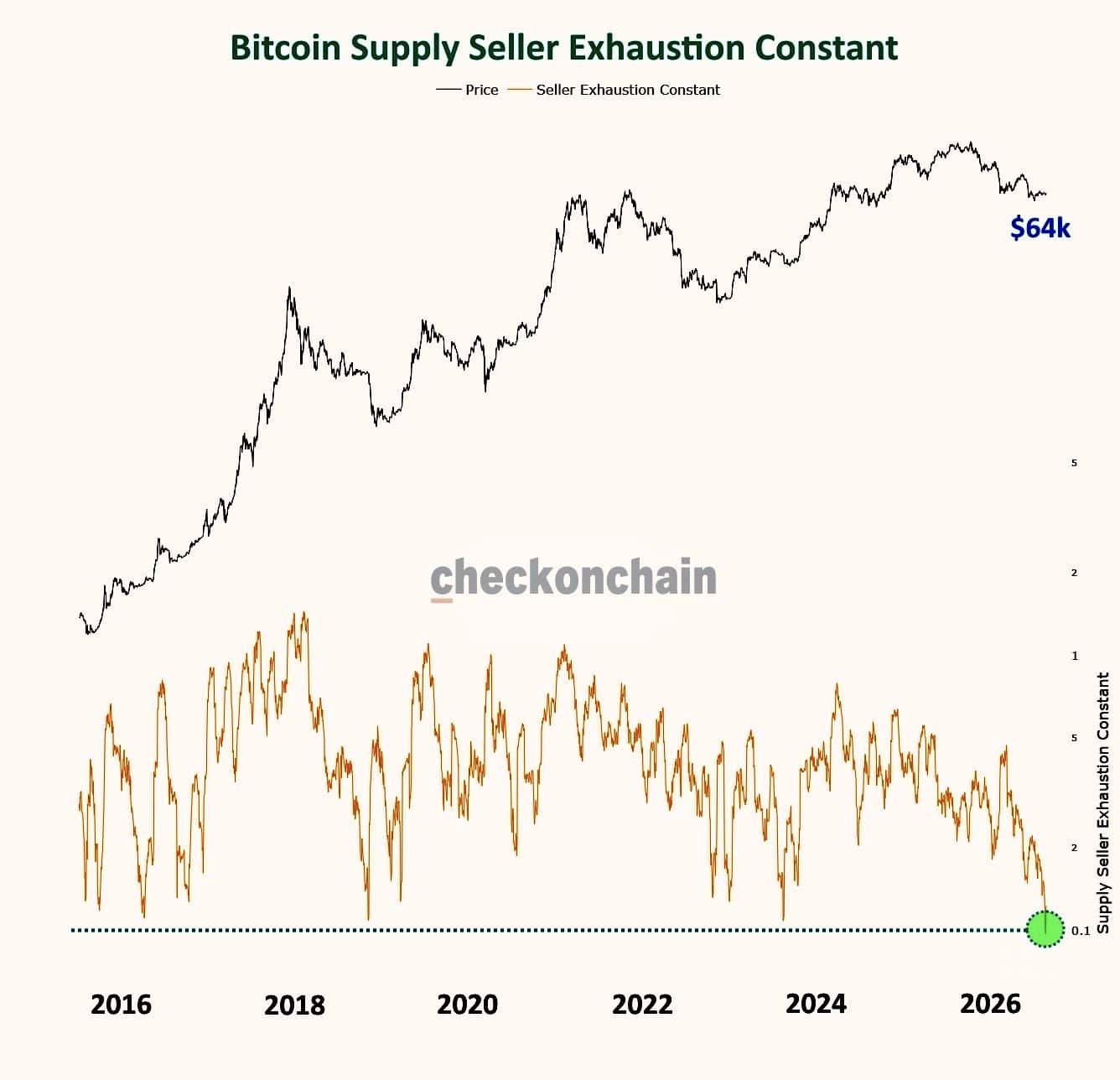
One on-chain metric that added to the narrative of a potential bottom and a major rally ahead was the Bitcoin Supply Sell-Side Exhaustion Constant. At the time, this metric had fallen to a historical low level on the chart. This finding implied that Bitcoin was recording low volatility, as well as a fall in profitability.

Bitcoin supply seller exhaustion constant.
Source: X

That changed in the latter hours of 19 August after the crypto recorded a significant hike to trade close to $70,000 on the charts. The scale of this rally implied that perhaps, the aforementioned metric simply hinted at the possibility that sellers may be exhausted.

Can Bitcoin sustain this run though? Well, other factors could actually determine whether there’s growing confidence and demand in the market. Worth pointing out, however, that at press time, the market seemed bullish in the short term.

A hike in profit-loss action

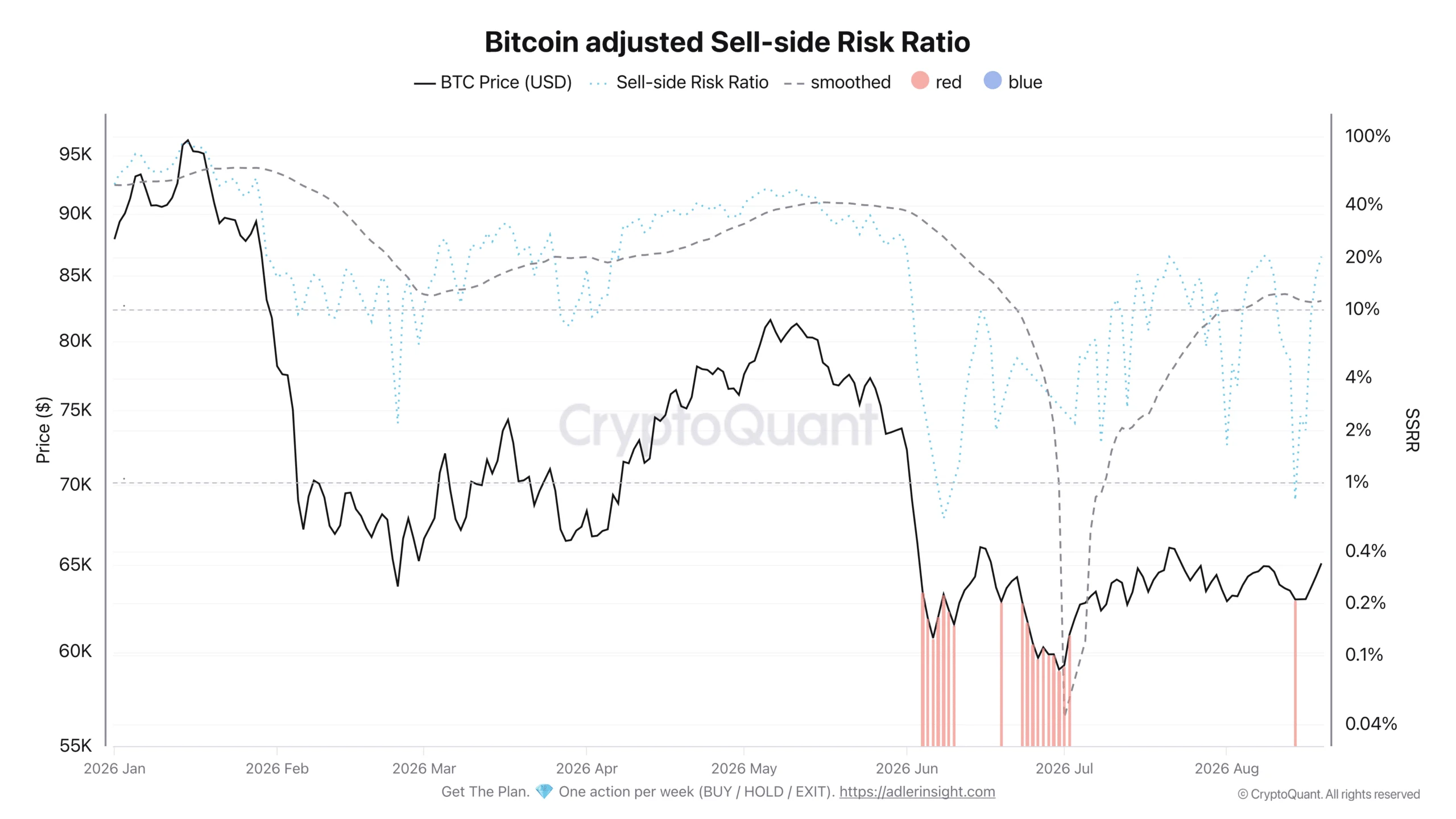
Growing profit and loss realization has been affecting the market lately. This, according to the uptick in Bitcoin’s Adjusted Sell-Side Risk Ratio (aSSRR).

The metric recently hit 20.23% on the charts, implying that the magnitude of this realization may be increasing. Especially relative to the present market size.

Bitcoin adjusted sell side risk ratio. Bitcoin adjusted sell side risk ratio.
Source: CryptoQuant/ Axel Adler

This hike began on 14 August as the previous week’s bottom formed. This could mean that the main influencing factor has been the rise in profit-taking, especially as the price rallied this week.

A look at the Net Realized Profit/Loss indicator, specifically the 7-day Short-Term Moving Average (SMA), highlighted a clear hike. This suggested that the majority of the action is being led by profit realization.

This could have a meaningful impact on the market if buyers fail to absorb the growing profit-taking, potentially creating resistance to further upside. At the time of writing though, momentum was still bullish. 

Bitcoin regime score. Bitcoin regime score.
Source: CryptoQuant/ Axel Adler

The Bitcoin Regime Score crossing 60% in the last 24 hours can also be seen as another bullish indicator.

This suggested that there’s a strong conviction that the price will continue in its present trajectory.

Spot flow’s impact on the price

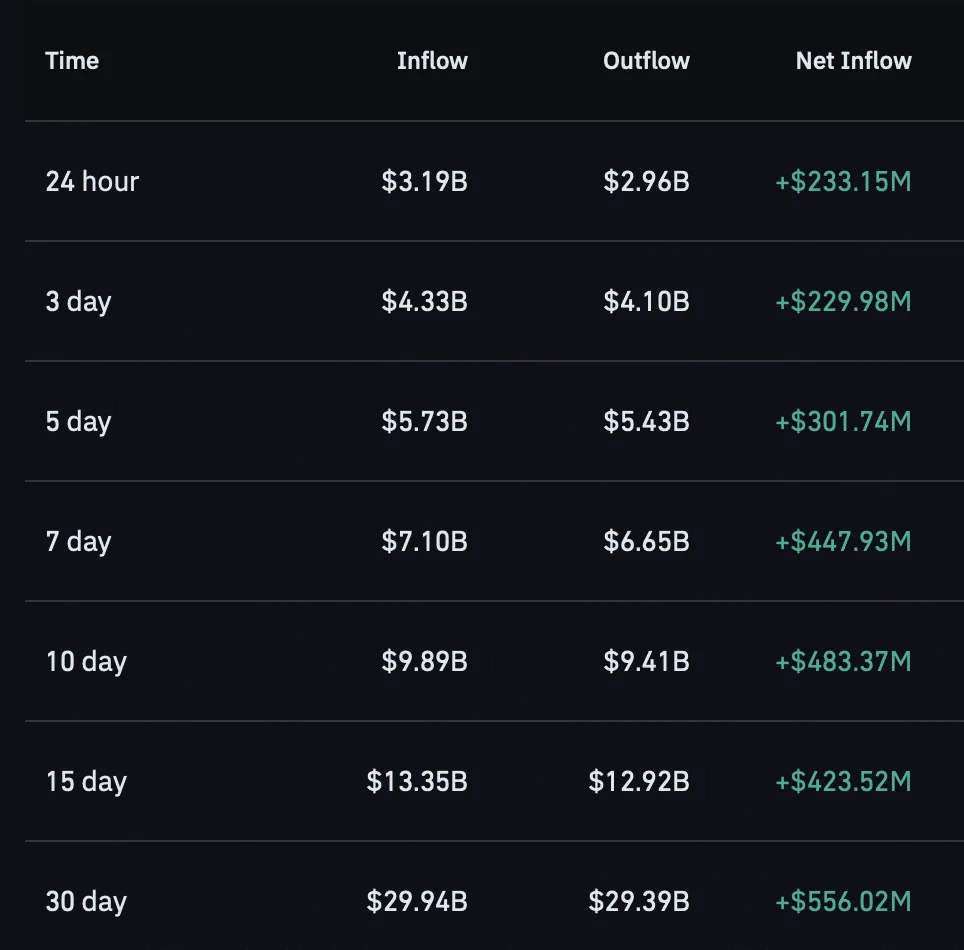
Finally, the spot market data showed that there’s been more profit-taking in the market in the last 30 days as inflows dominated the outflows.

On the back of Bitcoin’s rally over the last 24 hours, the netflow stood at roughly $233 million. Over a 30-day period, the netflows were worth $556 million, with a majority coming from the massive inflows recorded over the last seven days.

Bitcoin spot netflow. Bitcoin spot netflow.
Source: CoinGlass

Until there’s clear demand and the spot market maintains a consistent negative netflow, the chances of a price pullback will be high.


Final Summary

  • Bitcoin’s sell-side exhaustion hit historic lows, preceding the rally that pushed BTC close to $70K.
  • Rising profit-taking and positive spot netflows could limit Bitcoin’s upside unless stronger demand emerges.


Source link

Mortgage and refinance interest rates today, Thursday, August 20, 2026: Small changes, but a big move up on the 5/1 ARM

0
Mortgage and refinance interest rates today, Thursday, July 30, 2026: Rates mostly lower


According to the Zillow lender marketplace, mortgage rates are mixed today, Thursday, August 20, 2026, but with a big move higher for the 5/1 ARM.

The average 30-year fixed rate is 6.52%, down three basis points since yesterday. The 15-year fixed loan is currently at 5.92%, up five basis points from yesterday. The 5/1 ARM is 6.54%, a hefty 23 basis points higher than on Wednesday.

Read more: Discover the best mortgage refinance lenders

Here are the current mortgage rates, according to our latest Zillow data, for Thursday, August 20, 2026:

  • 30-year fixed: 6.52%

  • 20-year fixed: 6.29%

  • 15-year fixed: 5.92%

  • 5/1 ARM: 6.54%

  • 7/1 ARM: 6.34%

  • 30-year VA: 6.06%

  • 15-year VA: 5.54%

  • 5/1 VA: 5.71%

Remember that these are the national averages and are rounded to the nearest hundredth.

These are the current mortgage refinance rates, according to the latest Zillow data for Thursday, August 20, 2026:

  • 30-year fixed: 6.59%

  • 20-year fixed: 6.42%

  • 15-year fixed: 5.99%

  • 5/1 ARM: 6.52%

  • 7/1 ARM: 6.43%

  • 30-year VA: 6.11%

  • 15-year VA: 5.90%

  • 5/1 VA: 5.74%

As with mortgage rates for purchase, these are national averages that we’ve rounded to the nearest hundredth. Refinance rates can be higher than purchase mortgage rates, but that isn’t always the case.

Use the mortgage calculator below to see how various mortgage rates will impact your monthly payments.

Mortgage payment calculator

Mortgage payment breakdown

81% Principal & interest

$2,143


You can bookmark the Yahoo Finance mortgage payment calculator and keep it handy for future use, as you shop for homes and lenders. Be sure to use the dropdown to include private mortgage insurance costs and HOA dues if they apply to you. These monthly expenses, along with your mortgage principal and interest rate, will give you a realistic idea of what your monthly payment could be.

A mortgage interest rate is the fee a lender charges for borrowing money, expressed as a percentage. There are two basic types of mortgage rates: fixed and adjustable rates.

A fixed-rate mortgage locks in your rate for the entire life of your loan. For example, if you get a 30-year mortgage with a 6% interest rate, your rate will remain at 6% for the entire 30 years. (Unless you refinance or sell the home.)

An adjustable-rate mortgage keeps your rate the same for the first few years, then changes it periodically. Let’s say you get a 5/1 ARM with an introductory rate of 6%. Your rate would be 6% for the first five years, then increase or decrease once per year for the remaining 25 years of your term. Whether your rate goes up or down depends on several factors, such as the economy and the U.S. housing market.

At the beginning of your mortgage term, most of your monthly payment goes toward interest. As time passes, less of your payment goes toward interest, and more goes toward the mortgage principal or the amount you originally borrowed.

Read more: Learn how to choose between an adjustable-rate vs. fixed-rate mortgage.

Two categories determine mortgage rates: those you can control and those you cannot.

What factors can you control? First, you can compare the best mortgage lenders to find the one that gives you the lowest rate and fees.

Second, lenders typically extend lower rates to people with higher credit scores, lower debt-to-income (DTI) ratios, and considerable down payments. If you can save more or pay down debt before securing a mortgage, a lender will probably give you a better interest rate.

What factors can you not control? In short, the economy.

The list of ways the economy impacts mortgage rates is long, but here are the basic details. If the economy — for example, employment rates — is struggling, mortgage rates decrease to encourage borrowing, which helps boost the economy. If the economy is strong, mortgage rates go up to temper spending.

With all other factors being equal, mortgage refinance rates are typically slightly higher than purchase rates. So don’t be surprised if your refinance rate is higher than you may have expected.

Two of the most common mortgage terms are 30-year and 15-year fixed-rate mortgages. Both lock in your rate for the entire loan term.

A 30-year mortgage is popular because it has relatively low monthly payments. But it comes with a higher interest rate than shorter terms, and because you’re accumulating interest for three decades, you’ll pay a lot of interest in the long run.

A 15-year mortgage can be a good choice because it has a lower rate than you’ll get with longer terms, so you’ll pay less in interest over the years. You’ll also pay off your mortgage much faster. But your monthly payments will be higher because you’re paying off the same loan amount in half the time.

Basically, 30-year mortgages are more affordable from month to month, while 15-year mortgages are cheaper in the long run.

According to Yahoo Finance’s weekly survey of lenders with the lowest rates, some of the banks with the lowest median mortgage rates are Chase and Citibank. However, it’s a good idea to shop around for the best rate, not just with banks, but also with credit unions and companies specializing in mortgage lending.

Yes, 2.75% is an amazing mortgage rate. You’re unlikely to get a 2.75% rate in today’s market unless you take on an assumable mortgage from a seller who locked in this rate in 2020 or 2021, when rates were at all-time lows.

According to Freddie Mac, the lowest-ever 30-year fixed mortgage rate was 2.65%. This was the national average in January 2021. It is extremely unlikely that rates will dip below 3% again anytime soon.

Some experts say it’s worth refinancing when you can lock in a rate that’s 2% less than your current mortgage rate. Others say 1% is the magic number. It all depends on your financial goals when refinancing, how long you plan to stay in the same house, and your break-even point after paying the refinance closing costs.


Source link

Chip Stocks Drop During Dog Days Of Summer

0
Chip Stocks Drop During Dog Days Of Summer


Chip stocks tumbled Tuesday in a broad reversal from Monday’s solid gains, leaving investors with whiplash. Decliners included Micron (MU) stock and other memory names, and Nvidia (NVDA) and fellow AI chipmakers. The Philadelphia semiconductor index, known as SOX, fell 5% on the stock market today. On Monday, the SOX, which includes the 30 largest chip stocks traded in the…

Copyright ©2026 Investor’s Business Daily, LLC. All rights reserved. 87990cbe856818d5eddac44c7b1cdeb8


Source link

Solana, XRP prices jump 10% – Which altcoin has more upside left?

0
Solana, XRP prices jump 10% - Which altcoin has more upside left?


Several altcoins recorded massive gains on the 19th of August, driven by a Bitcoin [BTC]-led rally that lifted the entire crypto market.

In particular, Solana [SOL] and Ripple [XRP] fronted a 10% pump at press time. Surprisingly, these two mega-cap altcoins had different market structures on the price charts, suggesting varied opportunities if the momentum extends. 

Will XRP offer more gains than SOL?

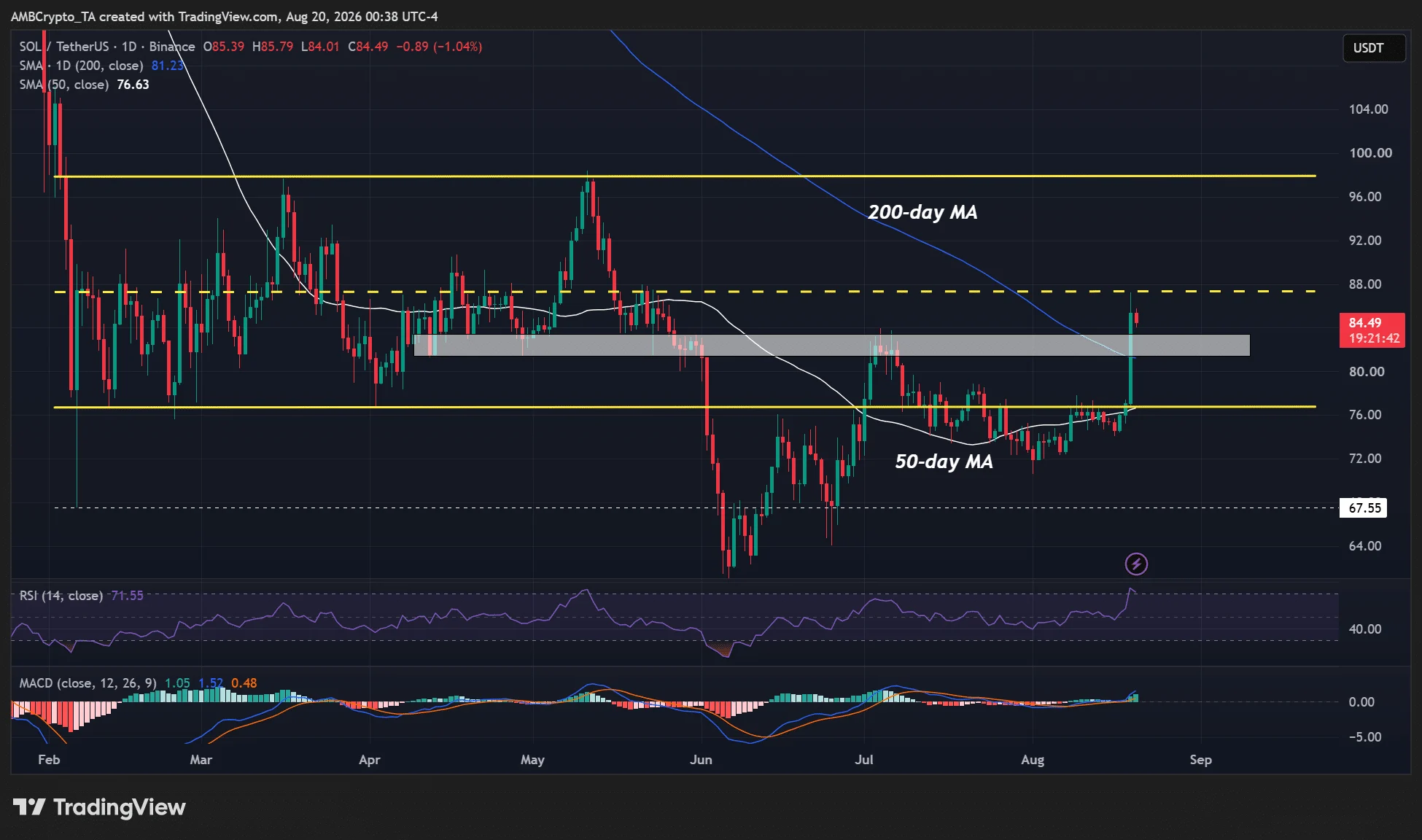
On the daily price charts, SOL reclaimed the 200-day Moving Average (MA blue) for the first time since last November. It also surged above the July high of $84, effectively hitting a 3-month high of $87.20. Put differently, SOL flipped bullish. 

However, a true breakout from its 2026 price range of $76-$98 could confirm further sustained upward momentum. 

As such, if SOL flips the mid-range level of $88 into strong support and jumps above $100, much of the 2025 losses could be reversed. An extra 16% could be feasible if SOL bulls hit the range high of $98.  

SOL XRP
Source: SOL/USDT, TradingView 

But with the RSI flashing an overbought signal, a cool-off below the mid-range of $88 could not be ruled out. 

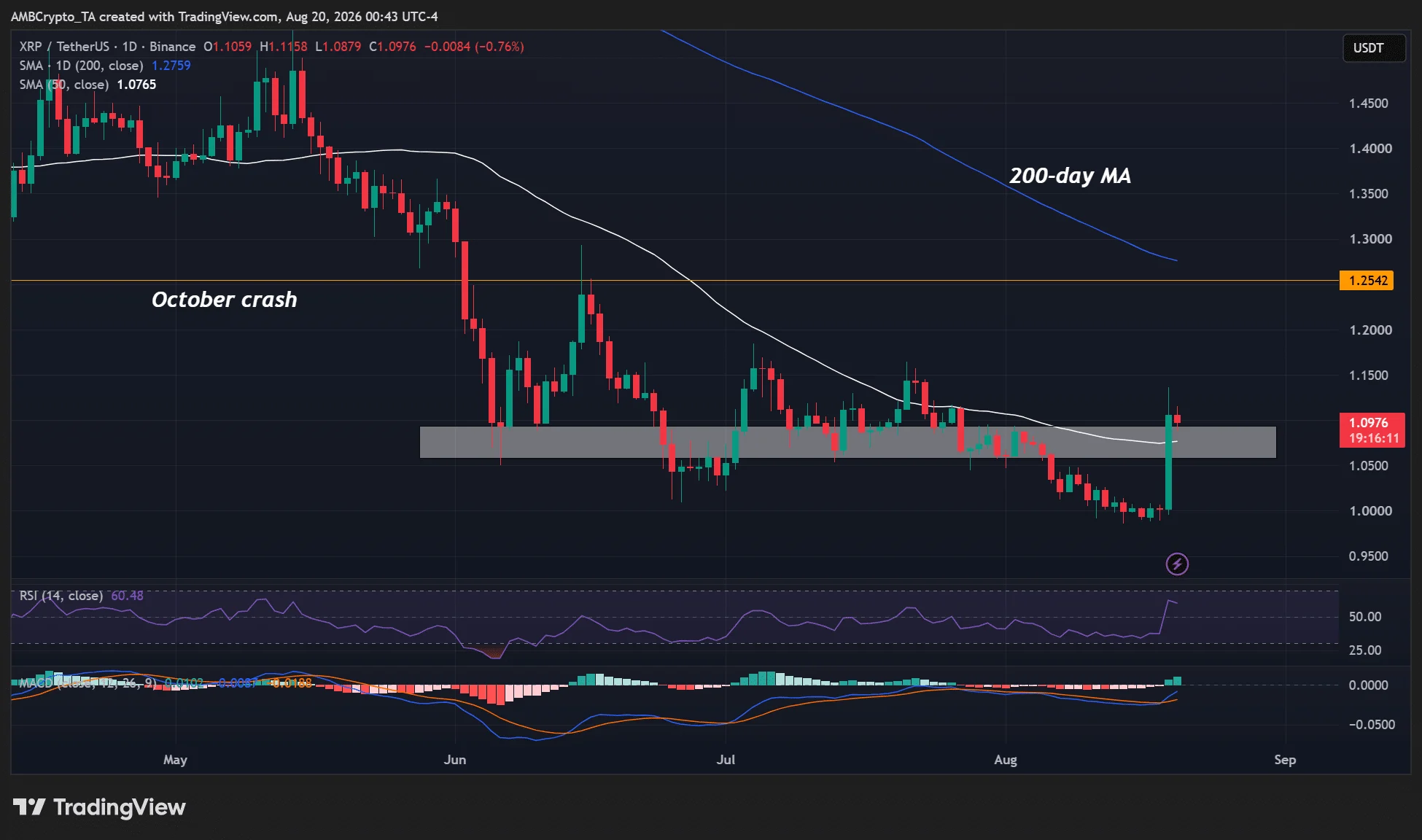
For XRP, however, the structure was still firmly bearish on the daily charts. Despite surging 10% from $1.00 to $1.10, it was still below its 200-day MA (at $1.27). 

Given that the RSI indicator was yet to flash an overheated market, there was still room to hit the 200-day MA level. If so, an extra 17.5% upside potential for XRP could be on the cards. 

However, the bullish scenario holds only if XRP defends the July support zone of $1.0 (white). A crack below the zone would reinforce sellers’ leverage and invalidate the bullish outlook. 

SOL XRP SOL XRP
Source: XRP/USDT, TradingView 

Catalysts for SOL and XRP pump

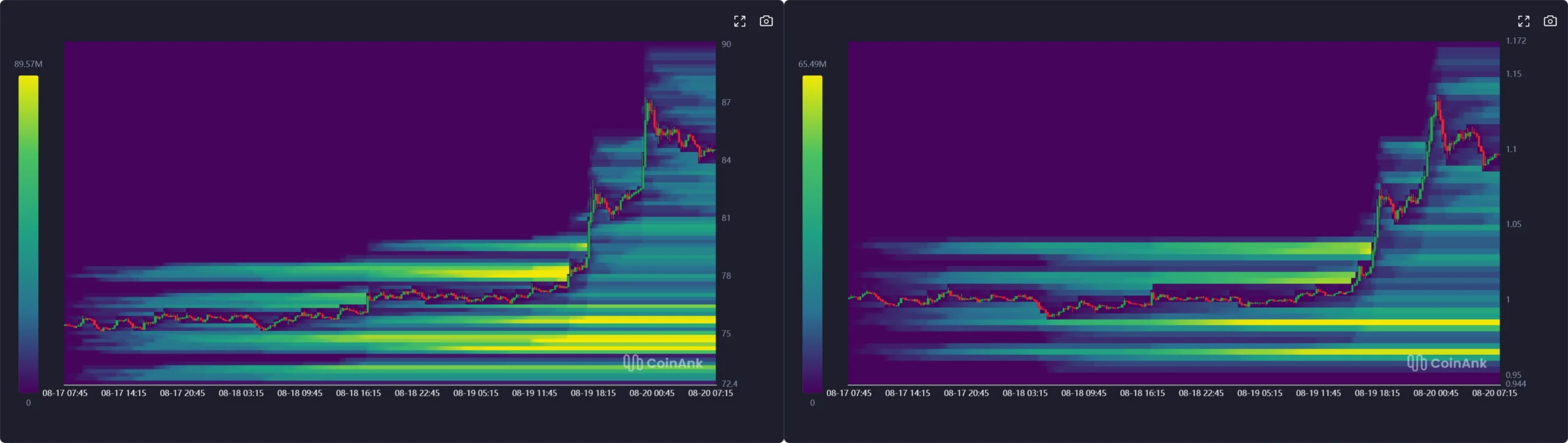
First, the mid-week pump was triggered by a Bitcoin short-squeeze following the U.S. Treasury’s planned intervention in the bond market. Similarly, SOL saw nearly $100 million in short liquidations in the past 24 hours. 

For its part, XRP only recorded $16.5 million worth of wrecked leveraged short positions. Collectively, these offered the fuel for Wednesday’s upside move targeting the leveraged bears (bright yellow zones during the rally). 

SOL XRP SOL XRP
Source: CoinAnk

Spot demand, especially from U.S. SOL and XRP ETFs, also supported the rally. The products saw $2.1 million and $2.35 million in daily net inflows, respectively. 

The next move depends on BTC’s direction, and next week’s PCE (Personal Consumption Expenditures) Price Index data could become a crucial catalyst. A hotter-than-expected PCE data could reduce Fed rate cut expectations in September due to stubborn inflation. 

On the contrary, a cooler PCE could boost risk-on sentiment and crypto market momentum. 


Final Summary

  • SOL and XRP exploded 10% due to a short-squeeze and broader market recovery.
  • XRP had more room for an extra 17.5% rally if Fed rate expectations favor bulls.  


Source link